
SONAX

Desert-Proof Your Ride: The Complete UAE Guide to Cleaning & Protecting Your Bike

SONAX Sonax-Blog-Edits1-14
SONAX blog1-1

Biking is fast growing in the UAE, with total trips increasing by 23 per cent from 46.6 million in 2024 to 57.3 million in 2025, especially around the long stretch Al Qudra cycling track. With more riders on the road, it’s worth knowing how to keep your bike running well, but in a desert climate it poses a completely different challenge from riding in cooler, wetter countries. In the UAE, the enemy isn’t rain or road salt; it’s ultra-fine, wind-blown sand that finds its way into every moving part. Combine that with extreme heat, and you have the perfect recipe for a worn-out, noisy, sluggish drivetrain. 

Hence knowing how to clean your bike in the UAE has become rampant, helping bike owners to survive these common challenges. With proper bicycle maintenance and quality care products, your bike can always maintain its original factory look and peak performance.  In this article, we will cover the right routine and care products to protect the bike from sand, wear, and the UAE’s intense heat. Be it a road bike, mountain bike, gravel bike, electric bike (e-bike), or even motorcycle, we’ve got you covered in this guide.
Why Desert Riding Is Tough on Bikes

Before we go into how to clean a bike in the UAE conditions, we need to first understand the major factors that make cleaning essential.

SONAX Sonax-Blog-Edits1-15

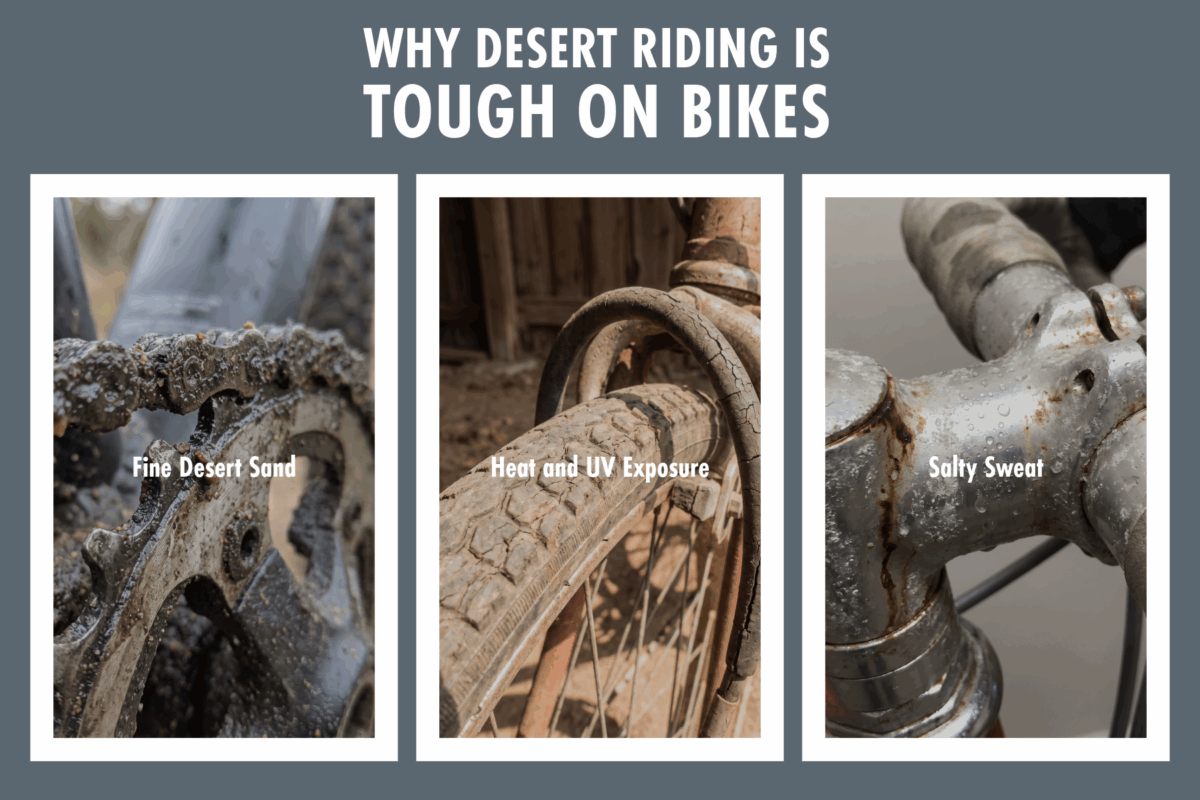
Fine Desert Sand

Driving a bike on a desert is one experience that will always thrill an experienced rider. However, during this fun ride, your bike silently suffers as the fine desert sand and highly abrasive silica particles tend to penetrate various parts of your bike, causing damage. It settles onto your chain lubricated with traditional wet oils, forming a thick, gritty slurry that acts like a liquid sandpaper that grinds down the chain rollers, links, and sprocket teeth. 

Sand particles are vacuumed into the engine, and standard filters struggle to stop them. Once these particles bypass the filters, it mixes with the cylinder wall oil, eating away the piston rings and rapidly robbing the engine of compression. That’s why riders must protect bikes from sand immediately after every ride by properly rinsing with clean water.

Heat and UV Exposure

SONAX blog1-1

Fine desert sand is the silent abrasive, while extreme heat and UV exposure are the chemical destroyers. The heat breaks down the molecular bonds in plastics, rubber, and paints. Seal failure follows closely behind as it expands and dries out under intense heat, paving the way for critical fluid leaks, tire and hose dry-rot, and cracks that can result in sudden blowouts or coolant line rupture. 

This is why cautious e-bike care is necessary as they contain battery housings, plastic covers, and a lot of electrical components. Before every desert riding trip, make use of high viscosity synthetic oil of about 15W-50 or 10W-60 to maintain film strength and apply UV protective products on the seat, plastics, and rubber hoses.

Salty Sweat

SONAX blog1-1

Most times, all the attention is focused on environmental elements, and we frequently overlook a highly corrosive threat that comes from us: Salty sweat. Under the harsh UAE sunlight, the human body can lose up to 1.5 to 2 liters of sweat, and human sweat is slightly acidic, with the pH level being about 4.5 to 6.0. 

These sweat acts as electrolytes when they come in contact with metal surfaces. This often triggers galvanic corrosion that rapidly eats away the metal. This causes it to bubble, pit, and structurally degrade. When trapped under rubber grips or handlebar tape, corrosion occurs until the metal is completely out of sight. It is most common with aluminium parts.
How To Clean a Bike in the UAE: The Safe Way

To properly remove all the abrasive particles from your bike, you need to have a proper road bike cleaning kit, which will consist of a gentle hose nozzle, a pH-neutral shampoo, a microfiber towel, a soft brush, and paint protective products. Below are simple steps to properly clean your bike.

Step 1: Rinse Away Loose Sand

Using a low-pressure hose, properly rinse out loose dirt and sand particles from the bike’s body. Always avoid hosing the wheel bearings, bottom brackets, headsets, suspension seals, and electrical connections (most especially in e-bikes) to avoid damaging them. Also, using a high-pressure hose can force water into seals and delicate components. The main purpose of the rinsing is to remove loose dirt and sand particles properly without damaging sensitive parts of your bike.

Step 2: Wash with a pH-Neutral Bike Shampoo

SONAX Sonax-Blog-Edits1-16
SONAX blog1-1

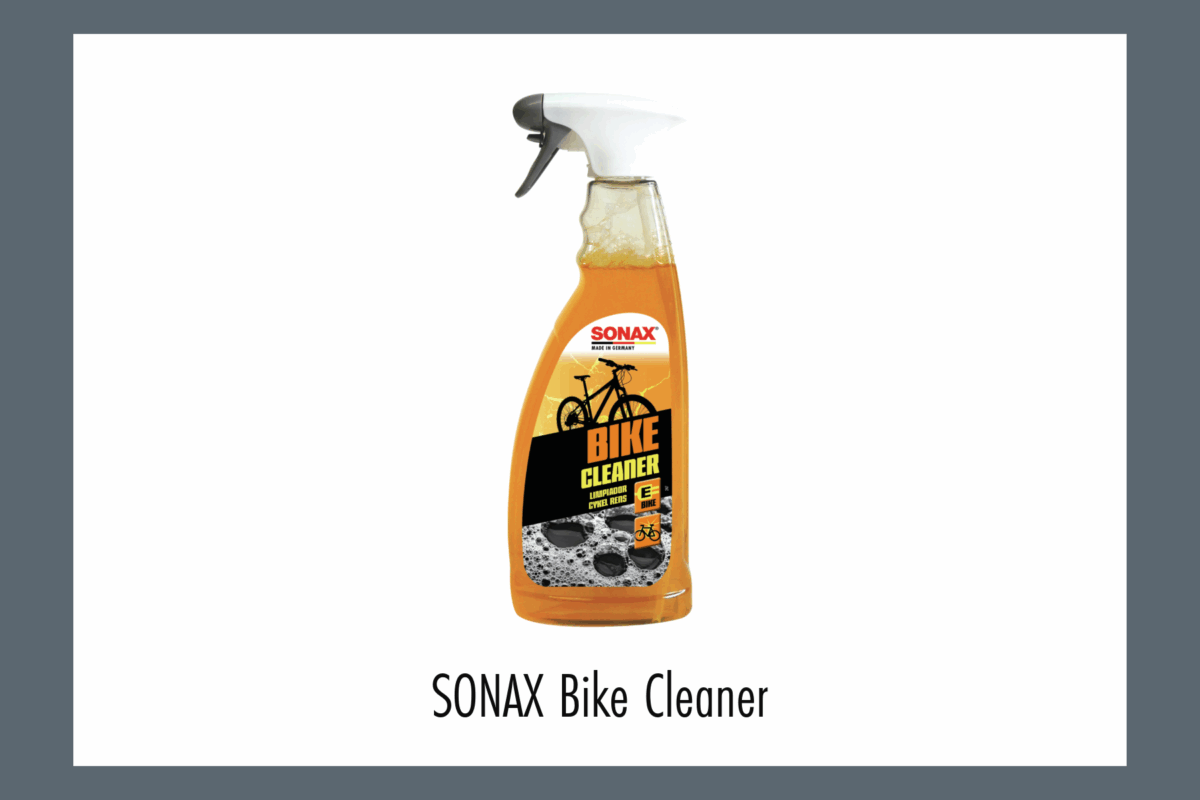
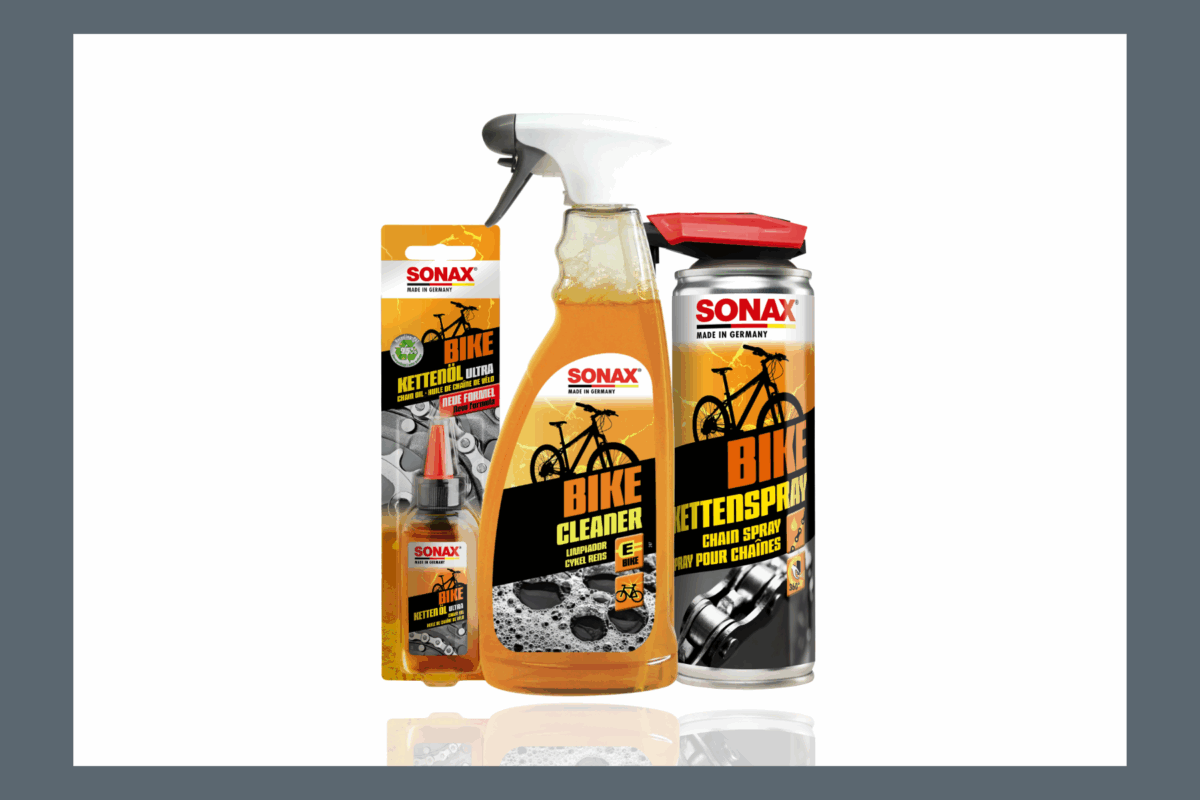
After rinsing thoroughly, apply a shampoo like the SONAX Bike Cleaner (750ml) and leave it to cure for a few minutes. This helps break down stubborn contaminants, making it easy to wash them off without causing micro scratches. We recommend you use this shampoo since it cleans and forms a protective coat for the bike.
Step 3: Use Soft Brushes for Tight Areas

SONAX Sonax-Blog-Edits1-17
SONAX blog1-1

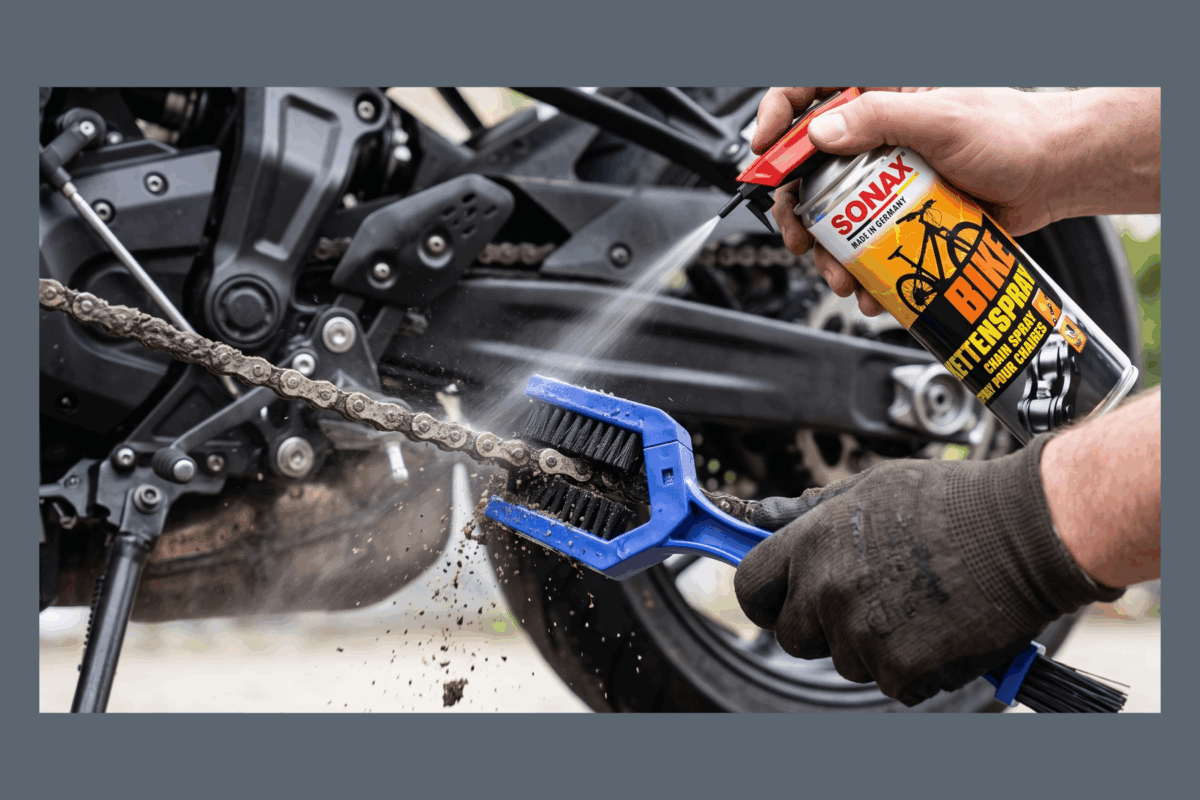
For areas that require extra attention, like the brake calipers, derailleurs, cassette teeth, chainrings, hub areas, and pedals, make use of a soft detailing brush. This will help remove stubborn contaminants without scratching the paint or polish on the surface. The soft brush will also make it possible to reach in-between tight corners thanks to its flexible construction.

Step 4: Rinse Thoroughly

SONAX blog1-1

After scrubbing out all the dirt and contaminants, use a low-pressure hose to rinse out the bike thoroughly. Ensure all the shampoo residue and dirt are properly rinsed out, leaving nothing behind that can attract additional dust and mix with sand particles on your next ride. Focus on tight corners that may be hiding sand particles, such as suspension & steering, drivetrain & gears, brakes, and frame & bearings. However, when rinsing an e-bike, be conscious of sensitive electronic parts.

Step 5: Dry Before Moving On

SONAX blog1-1

Drying is as important as washing your bike in your bicycle maintenance desert routine. Use a clean microfiber towel and clean off the water from the body of the bike. After drying with a clean microfiber towel, air dry to ensure all the moisture and water are removed from all the hidden spots you can not easily reach. Remember areas like the rubber grips or handlebar tape where sweat can be hiding. Then, lubricate all necessary parts, especially the drivetrain and other moving components, to enhance their capabilities.
Deep Clean Your Drivetrain

The drivetrain is the heart of your bike: it converts your leg power into forward motion in bicycles, while for motorcycles, it transfers power from the engine to the rear wheel. This area is the part that suffers the most during UAE desert rides as the chain, cassette, and chainrings are constantly exposed to sand, road dust, oil mixing with sand and sweat, creating a grinding paste that reduces shifting precision and reduces your bike’s efficiency. 

SONAX Sonax-Blog-Edits1-18

The bike chain cleaning needs proper care, as one fault will affect the entire working process of your bike.

How to Clean the Drivetrain Properly

First, apply a dedicated bike drivetrain cleaner to the chain, cassette, jockey wheel, and chainrings to help dissolve old lubricant and built-up grime. Leave for a few minutes to allow it to dissolve properly, then, using a soft brush, gently agitate the surface while rotating the pedals backwards to ensure every link is cleaned. Focused on areas where sand and grease tend to accumulate and mix up. After scrubbing, rinse using a low-pressure hose to remove contaminants. 

Then, dry properly using a clean microfiber towel and ensure you remove all forms of moisture and water. Lubricate all moving parts properly as you move the pedal to ensure the grease gets to all the parts of the chain links, bearings, and joints. Proper lubrication is critical at this stage.

Choosing the Right Lubricant for UAE Desert Conditions

Bike chain cleaning in Dubai not only demands proper washing, but it also requires proper lubrication. There are basically two types of lubricants, and picking the right one shows how well you are ready to protect the bike from sand.

Dry Lubricants

Dry lubricants are the most preferred for riders who spend most of their time on dry roads, cycling tracks, or desert routes. They attract less dust, keeping your drivetrain cleaner for a longer period of time, but they wear away faster. To maintain its protective capability, you must reapply frequently, especially during long rides and after every full bike wash.

Wet Lubricants

Wet lubricants serve as superior protection against moisture and corrosion, making them highly beneficial to riders who constantly encounter humidity and wet roads. However, they attract more dust and sand particles, leading to a high rate of dirt buildup in chains and other moving parts.

Special Care for E-Bikes and Motorcycles

SONAX Sonax-Blog-Edits1-19

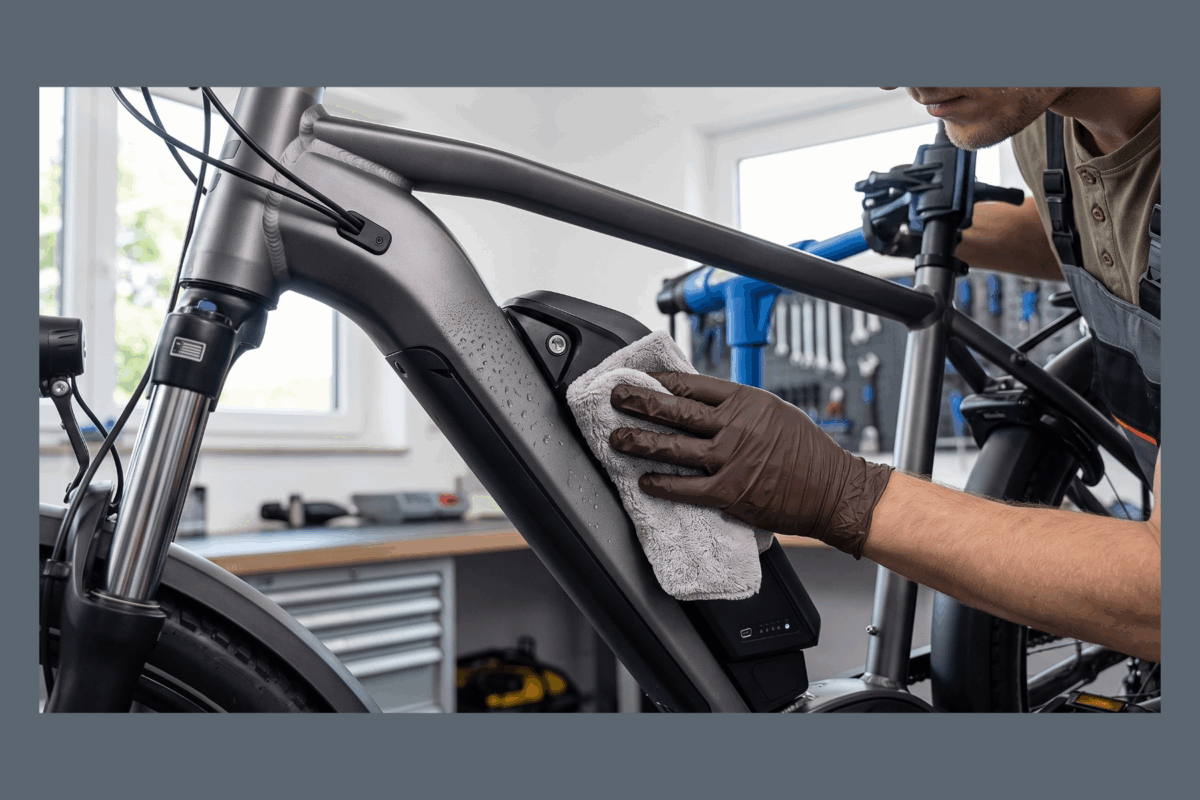
E-bike care follows the same pattern as regular bikes: first, you rinse, apply shampoo, scrub with a soft brush, rinse off dirt and shampoo residues, and finally dry off properly. However, unlike regular bikes, e-bikes need extra caution when washing as they consist of delicate components such as battery housings, charging ports, electric motors, wiring connections, and display units. If water should enter these areas, it may cause significant damage to the e-bike. 

Instead of pouring water to clean these sensitive areas, make use of a damp microfiber cloth to wipe. Before you start washing, ensure you disconnect the battery and the charging cords. After washing, before you connect the chargers and the battery, ensure the charging ports are completely dry

UAE Post-Ride Bike Care Routine

Frequency Task Why it matters in the UAE
After every ride
Rinse off loose sand and wipe the frame and chain.
Fine sand acts as an abrasive and accelerates component wear.
Weekly
Degrease and re-lubricate the drivetrain
Heat, dust, and sweat quickly break down chain lubricant.
Monthly
Perform a deep clean and apply protective polish
UV exposure and desert dust gradually dull and age surfaces.
Seasonally
Inspect for corrosion, worn drivetrain parts, tyres, and brake components.
Regular inspections prevent costly repairs and improve safety throughout the riding season.

Conclusion

Whether you ride a road bike around Al Qudra, commute through Dubai, tackle mountain bike trails, or own an e-bike or motorcycle, it is rewarding to properly protect your bike from sand as it improves reliability and increases your confidence every time you ride. After every ride, your bike is exposed to a lot of desert sand that finds its way into various moving components, slowly wearing them out. Intense heat burns hard on the paint surface, leading to oxidation and viscosity breakdown. 

Applying protective polish to painted areas can help stop this oxidation, and regularly rinsing and lubricating prevents dirt from accumulating where grease and oil are found, mostly in moving parts of the bike. Knowing how to clean a bike in the UAE climate-tolerant requires more than just knowledge; you will need a well-equipped road bike cleaning kit as well as a well-planned bicycle maintenance desert routine.

FAQs

How often should I clean my bike in the UAE?

It depends on how often you ride your bike and the route you usually take. However, it is recommended that you clean your bike after every ride, especially in the UAE’s harsh climate. A quick rinse, wipe down, and chain inspection after every ride always gets your bike in good condition.

Can I use a pressure washer to clean my bike?

Pressure washers can be used, but avoid using high pressure as it can force moisture and dirt into the bike’s bearings, suspension pivots, seals, and electric components. Use low pressure washers or the two-bucket water system.

Which lubricant is best for riding in the UAE?

In a region like the UAE, where the dust and sand particles are always flying around, dry lubricant is ideal. It attracts less dust and sand, reducing the occurrence of dirt mixing with grease in the chain.

Do e-bikes require different cleaning methods?

It does not necessarily require a different cleaning method from regular bikes; the main difference is that when washing e-bikes, you need to be extra careful. Do not allow water to get into sensitive parts, as they are made of more electrical components than your usual bike.

Can the same cleaning routine be used for motorcycles?

Bikes and motorcycles follow a closely related structure, making the washing, drying, and lubricating process similar. However, motorcycles have additional mechanical and electrical components that need a specific maintenance process.