SONAX

Panoramic Sunroof Care in the UAE: How to Stop the Glass Roof From Cooking Your Cabin

SONAX Sonax-Blog-Edits1-24
SONAX blog1-1

Drivers of SUVs or EVs with a panoramic roof in the United Arab Emirates (UAE) must know the infamous ritual: open the door, feel the blast of trapped heat, and wait for the air conditioning to catch up. Panoramic sunroof heat is one of the common complaints among owners of glass-roofed vehicles, and most drivers believe the roof itself is the problem. But in truth, reducing solar exposure, managing cabin heat, maintaining the glass properly, and protecting the interior is more crucial than focusing solely on the roof. 

This guide exposes what you actually need to focus on when it comes to sunroof protection film in Dubai, sunroof shade UAE, and how to reduce car heat sunroof. It also covers ways to maintain a cool and comfortable cabin space regardless of the UAE’s harsh sunlight. 
Why Does a Panoramic Sunroof Make Your Car So Hot?

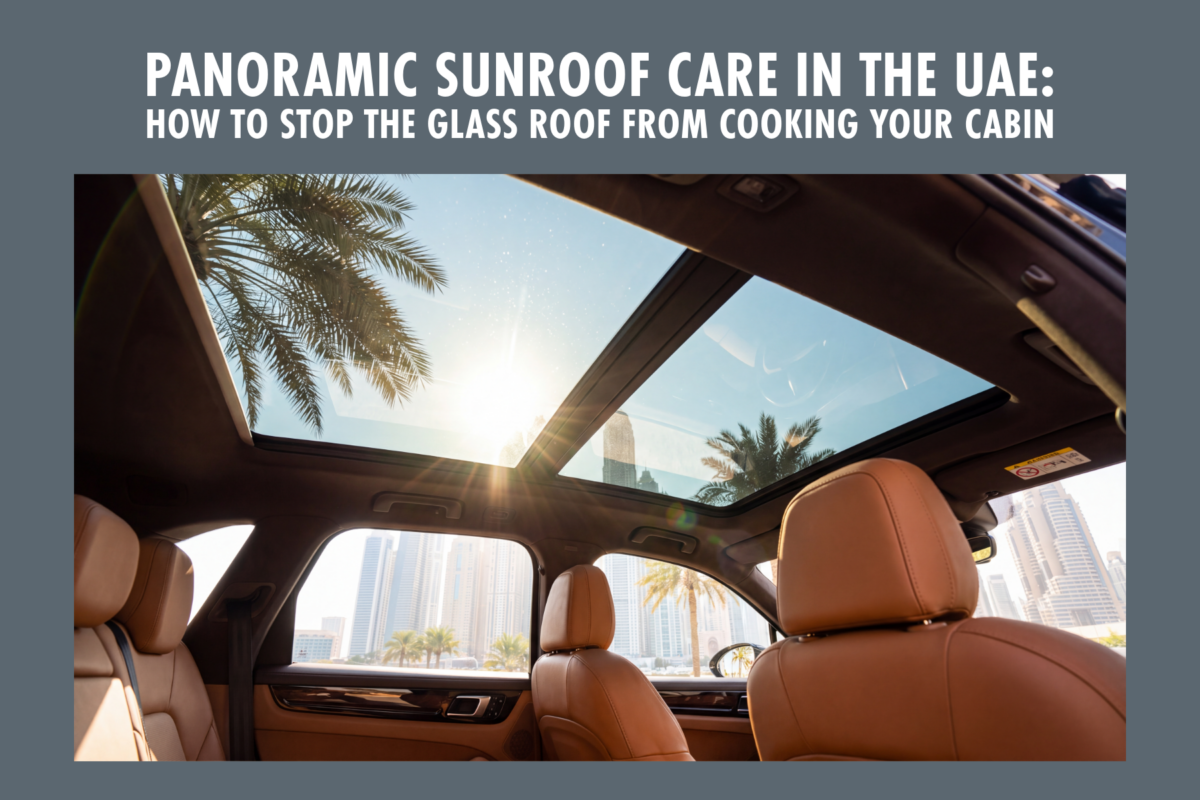
Panoramic roofs tend to expose a large area of the cabin to direct solar radiation, even when a factory tint or coating is installed. The surface is larger than your standard sunroof, allowing a meaningfully large amount of sunlight into the cabin; this effect is often more noticeable than it would be with a conventional solid roof.

However, this doesn’t mean every panoramic roof behaves in the same way. Other factors affect the panoramic sunroof heat condition alongside the roof structure; glass type, factory coatings, aftermarket tint, shading, vehicle design, and how long the car sits directly under the sun. They play a crucial role on the heat level in a car cabin. Crucial considerations here include:

  • Heat Gain: This occurs as solar energy passes through the glass and is absorbed directly into the interior surfaces. 
  • UV exposure: It introduces ultraviolet radiation that degrades materials over time, regardless of how hot the cabin may feel. It does not overheat the cabin, but slowly degrades the interior materials of your car. 
  • Even with a tint, glass roofs should not be assumed to provide effective thermal insulation. Similarly, solid or opaque roofs are not necessarily well insulated; their thermal performance depends on the materials and construction used.
  • The effect of heat that builds up while a car is parked directly under the sun is different from heat experienced during driving. Airflow and shade change constantly as you move, and so does the temperature of the car cabin. 

Heat buildup not only makes drivers uncomfortable, but it increases how hard the air conditioning has to work in order to bring down the temperature in the car cabin.

What Heat and UV Can Do to Your Car's Interior

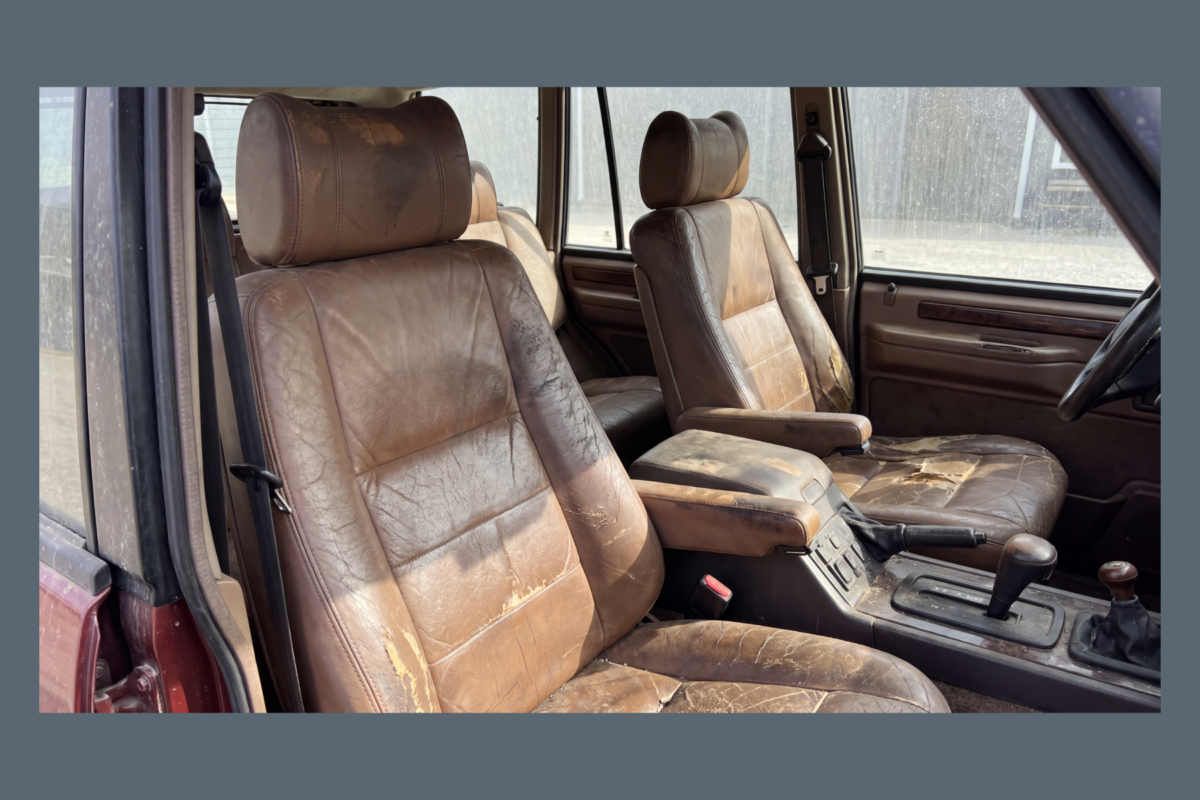
The effect of heat and UV exposure goes beyond the discomfort drivers feel; it affects surfaces that are closest to the roof. Areas like the dashboard and trim panels that sit directly underneath the glass absorb the most exposure, while leather, synthetic leather, and fabric upholstery risk fading, discoloration, or changes in texture.

SONAX Sonax-Blog-Edits1-25

During panoramic roof car cleaning, the cleaning agents tend to dry faster on the surface of the roof. This leaves streaks and affects visibility. The steering wheel also becomes very hot to the touch once it is exposed to the sun for a long period of time. While the heat spikes up the temperature in the cabin, UV radiation slowly eats through the interior.

Everyday Ways to Reduce Panoramic Sunroof Heat in the UAE

SONAX Sonax-Blog-Edits1-26
SONAX blog1-1
  • Use an interior sunshade: Applying a sunroof shade in the UAE blocks sunlight before it gets into the cabin, especially when the car is parked outside. It is easy to install and does not require you to break the bank. 
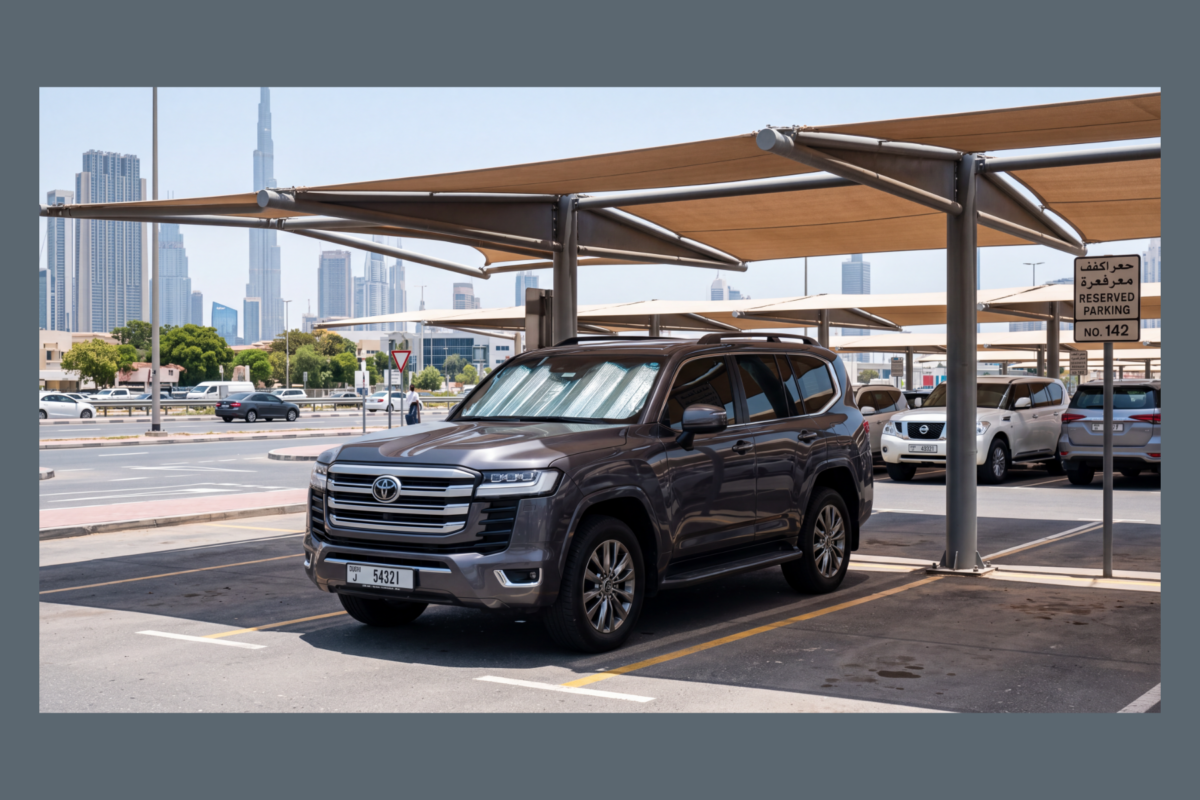
  • Choose parking strategically: When parking, go for a shaded spot that prevents direct sunlight from getting into the car cabin. This is essential, especially during UAE hot afternoon weather when the sun is at its climax. 
  • Ventilate safely before driving: Doors and windows should be opened for some time before driving off. This helps to ventilate the car and make the cabin temperature more manageable. This process should, however, be done in safe spaces; windows can be rolled down after getting in for about 5-10 minutes to allow accumulated hot air to escape freely. 
  • Use the vehicle’s climate-control features: For vehicles that support this feature, pre-conditioning or ventilation functions can cool the cabin or help clear off hot air before anyone gets in.
How to Clean a Panoramic Glass Roof Without Damaging It

Panoramic sunroof heat in the UAE needs a slightly more careful approach than regular windshields, because of its size, seals, and drainage channels around the edges.

SONAX Sonax-Blog-Edits1-27
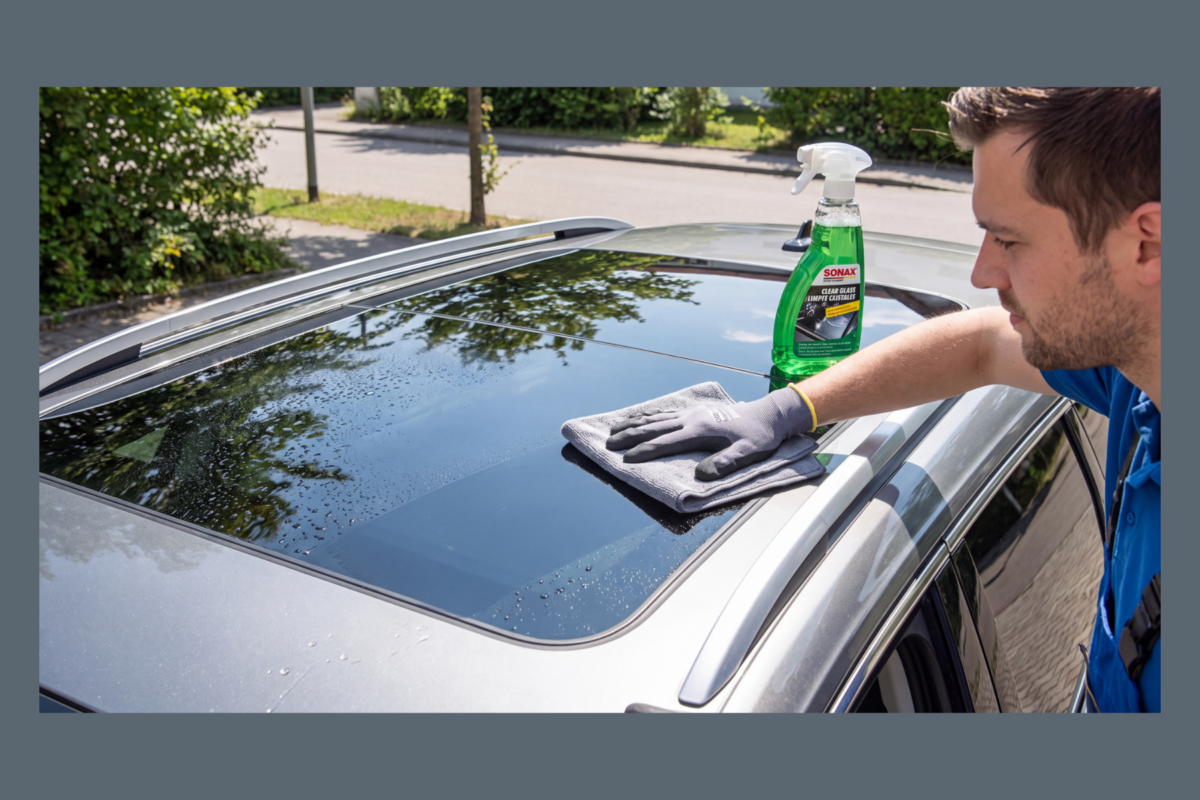
  1. Work on a cool surface: Always avoid washing a hot glass car surface while directly parked under the scorching UAE sunlight. The heat dries up cleaning agents too quickly, leaving streaks on the surface. 
  2. Remove loose dust first: Remove loose particles properly before wiping with a microfiber towel to reduce the risk of dragging abrasive particles across the glass, which may cause fine scratches. 
  3. Use a suitable automotive glass cleaner: Avoid the use of household glass cleaners as they cause lasting damage to the panoramic roof surface. Instead, use only dedicated automotive glass cleaners designed to work with tints, coatings, and factory treatments. 
  4. Use a clean, suitable microfiber cloth: Make use of a soft microfiber towel to apply the cleaning agent. Keep glass-cleaning cloths separate from towels used on dirtier exterior panels to avoid transferring grit.
  5. Pay attention to edges and seals: Do not scrub or aggressively rub around edges where the seal is located.
  6. Keep drainage areas clear: Drainage channels that carry water away from the roof seal are usually integrated into panoramic roofs. Do not let debris build up around them and cause blockages. 

If your vehicle has aftermarket tint, protective film, or a manufacturer-specific coating on the glass, check product compatibility before applying any cleaner.

Sunroof Shade, UV Protectant or Protection Film: What Actually Helps?

These solutions address different parts of the same problem, and they’re best thought of as complementary rather than competing options.

Solution What it does Best forCare
Interior sunshade
Blocks direct sunlight from reaching the cabin
Quick, low-cost daily heat relief
Correct glass-cleaning routine
Keeps the roof clear and helps maintain glass, seals and drainage areas
Every owner and ongoing maintenance
Interior UV protectant
Helps protect dashboard, trim and suitable interior surfaces from UV-related deterioration
Long-term interior condition
Sunroof protection film
Depending on the product, can provide heat rejection, UV protection, and surface protection
Owners seeking a professionally installed, longer-term solution

It’s worth being clear about what film can and can’t do: it can reduce heat and help limit UV exposure, but no film eliminates cabin heat or makes a parked car more manageable in the UAE sun. Treat performance claims with a healthy degree of scepticism and check manufacturer specifications rather than marketing language. For everyday glass-roof care, a good starting point is a dedicated glass cleaner and interior UV protectant suited to your vehicle’s materials.

Does Panoramic Sunroof Film Really Reduce Heat?

SONAX blog1-1

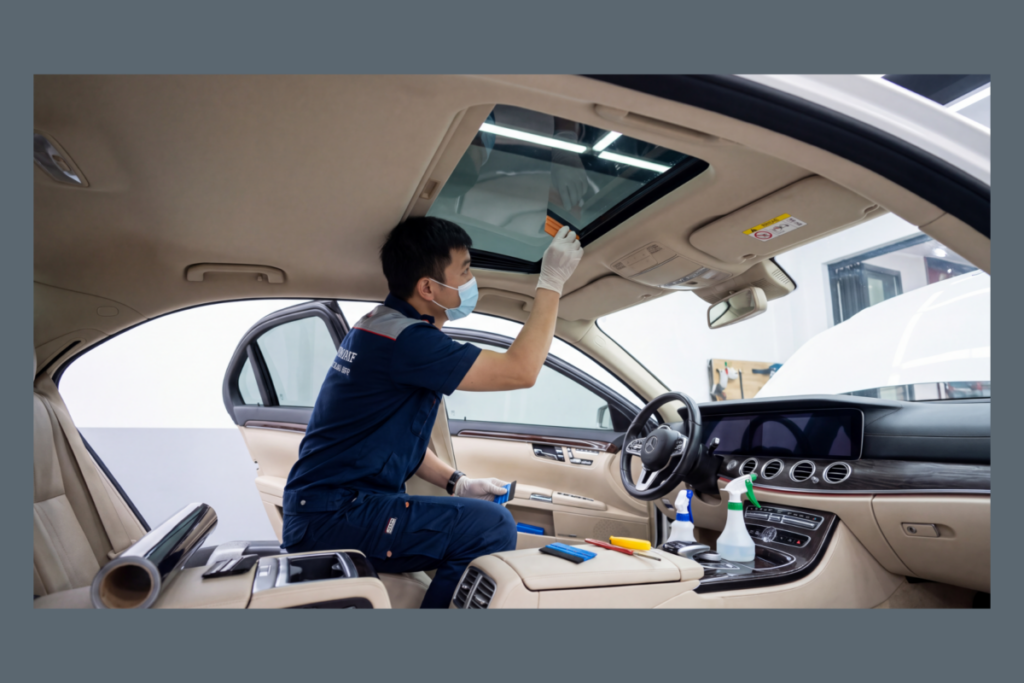
A suitable film can help reduce car heat, as sunroof and UV radiation pass through the roof. However, the result and effectiveness of the film depend on its construction and specifications.
SONAX Sonax-Blog-Edits1-28-1024x683

Before choosing a film, it’s worth checking:

SONAX blog1-1
  • UV rejection: Check how much UV protection rating the film has.
  • Solar or infrared heat-rejection claims surrounding the product and whether they’re backed by independent test data.
  • Visible light transmission: Ensure the film meets the legal and practical visibility requirements in the UAE.
  • Optical clarity: Some films affect how the glass looks and how light passes through them. Check its optical clarity and try out samples first before installation. 
  • Warranty: Confirm the duration it is meant to last before it starts peeling, bubbling, or discoloration.
  • Check the compatibility with panoramic-roof glass and factory tint or coatings.
  • Installer experience: Panoramic roofs are more demanding to work with than standard windows. Hence, you should use the services of well-experienced installers. 

Sunroof protection film Dubai acts as a layer of heat management and not a total replacement for air conditioning, sensible parking, or interior sunshade. Due to its large surface area, curved panels, and higher risk of dust contamination, DIY installation is not recommended as it could lead to bubbles or visible installation marks. If you’re also considering tinted windows in the UAE alongside roof film, it’s worth planning both together so the installer can check for compatibility across the whole vehicle.

A Practical panoramic sunroof heat UAE Care Routine

Below is a practical panoramic roof car cleaning care routine that helps reduce car heat in the sunroof and complements the process of cleaning a panoramic roof discussed earlier.

Daily

  • Always park in shaded areas or covered car parks.
  • Use pre-conditioning where your vehicle supports it.
  • Avoid leaving heat-sensitive items in the cabin.

Weekly

  • Panoramic roof car cleaning should be done weekly to remove dust and contamination.
  • Check for debris around roof edges and drainage areas.
  • Clean the glass when necessary with a compatible automotive glass product.

Monthly

  • Inspect seals and visible drainage channels.
  • Check for unusual water marks, leaks, or blockages.
  • Inspect the interior for early signs of fading or surface deterioration.

Periodically

  • Reassess the condition of any installed film.
  • Follow the film manufacturer’s maintenance instructions.
  • Apply suitable interior protection according to the material manufacturer’s guidance.
  • Check whether your glass roof car UV protection measures remain appropriate.

This routine pairs naturally with a broader interior detailing guide since the same sun exposure affecting your roof also damages the interior components of the car.

Conclusion

Panoramic sunroof care goes beyond just cleaning the glass surface. It involves routine habits such as proper parking, use of suitable sunroof shade solution, and applying only suitable glass cleaning products like the SONAX Clear Glass (500mL). For SUV drivers with panoramic roofs that want to keep their car cabin cool and comfortable even under the harsh UAE sunlight, sunroof protection film Dubai is an important asset to have. Although it does not completely prevent sunlight or UV radiation from entering the car, it reduces the amount of sunlight that penetrates through the glass. This keeps the temperature of the car low so that air conditioning can easily maintain a cool and comfortable cabin temperature. 

Panoramic Sunroof Care FAQs

Does a panoramic sunroof make a car hotter?

Due to its large area of glazing, it can contribute to large amounts of solar heat entering the cabin. The actual effects depend on the vehicle glass, coatings, shading, and environmental conditions, as not every panoramic roof behaves in the same way.

How can I reduce panoramic sunroof heat in the UAE?

Create a well-structured routine care plan combined with a parking strategy. Go for professionally installed solar control film, as they tend to work best.

Does a sunroof shade reduce heat?

Yes. It blocks direct sunlight from reaching the cabin and provides immediate relief while parked, although it doesn’t change the heat characteristics of the glass itself.

Does sunroof film block UV?

Some films are specifically designed to reject UV radiation, but performance varies between products. Check the manufacturer’s published specifications rather than assuming all films perform equally.

Can I use normal glass cleaner on a panoramic sunroof?

Not automatically. Use an automotive glass cleaner compatible with your vehicle’s glass, tint, or film, and avoid products the film or vehicle manufacturer flags as unsuitable.