SONAX

PPF vs Ceramic Coating vs Graphene in the UAE: Which Paint Protection Actually Survives Desert Heat? (2026 Guide)

SONAX blog-ppf-1
SONAX blog1-1

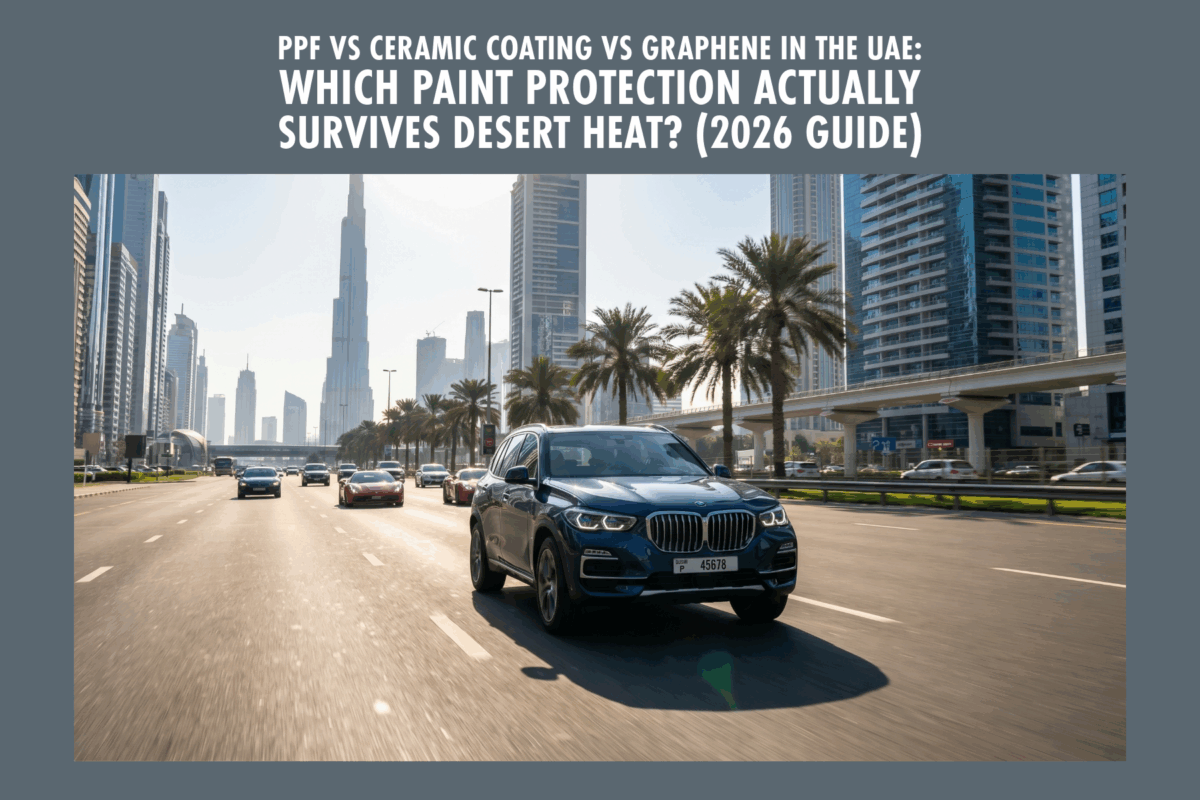
The temperatures of a typical summer in Dubai or Abu Dhabi surpass 50⁰C (122⁰F) and surface temperature of a dark-coloured vehicle parked under direct sunlight can reach an astonishing 82⁰C to 95⁰C (180⁰F to 203⁰F) due to radiative heat transfer and thermal absorption causing oxidation. Other factors like water spotting, sand abrasion, and UV rays also cause significant damage that, in turn, affects the resale value of a car. 

These developments make paint protection techniques highly valued in the UAE automotive market. In this article, we will walk you through all you need to know about PPF vs Ceramic Coating UAE. Follow us as we uncover the best paint protection for Dubai’s heat, as well as SONAX products to use during car surface maintenance.
Top Paint Protection Technologies in UAE

In the UAE, the best paint protection approaches have three major tenets, including PPF, ceramic, and graphene coatings. However, most times, once car protection is mentioned, all we think of is PPF vs ceramic coating, but there’s more to that.

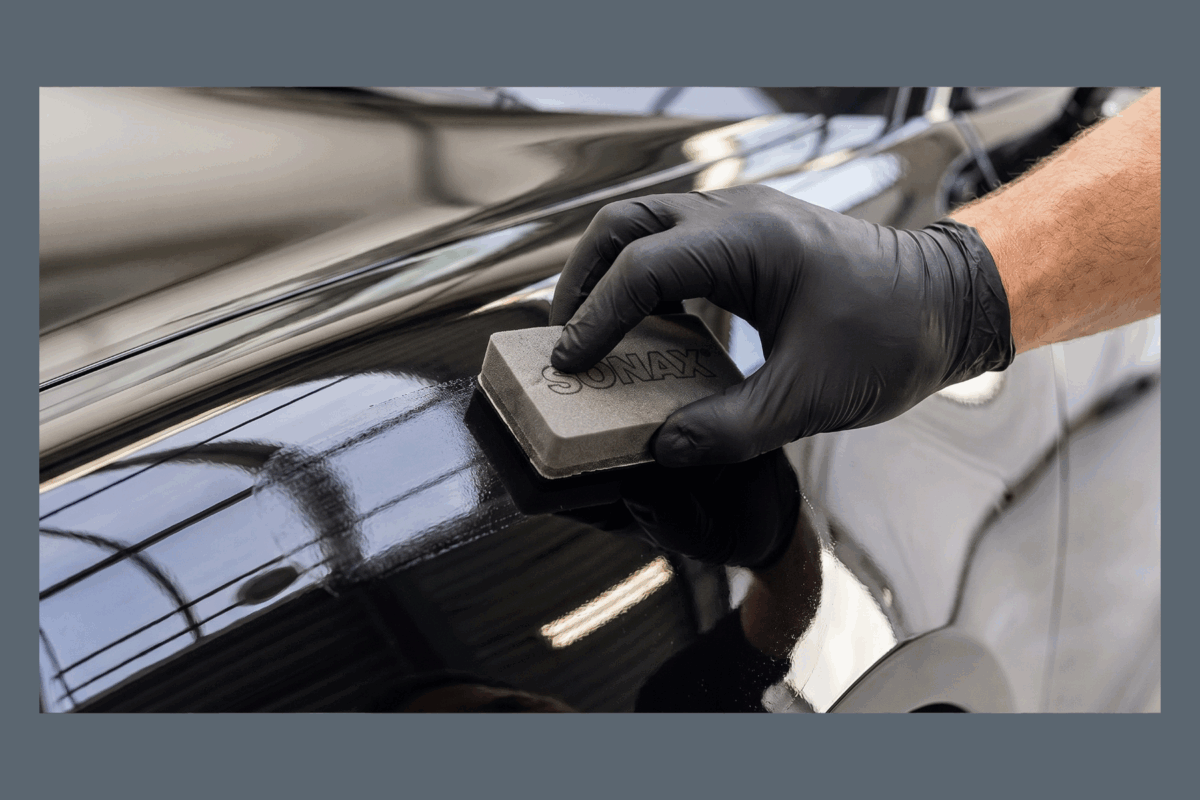
Ceramic Coating (The Silica Shield)

SONAX Sonax-Blog-Edits-78
SONAX blog1-1

Modern professional-grade ceramic coatings are liquid solutions formulated primarily of Silicon Dioxide and Titanium Dioxide within an organic solvent carrier. Once applied onto a well-prepared paint surface, it evaporates and instantly initiates a chemical reaction (Sol-gel process). The molecules cross-link and hydrolyze with the hydroxyl groups present on the surface of the factory clear coat, resulting in the formation of a permanent, covalent chemical bond. 

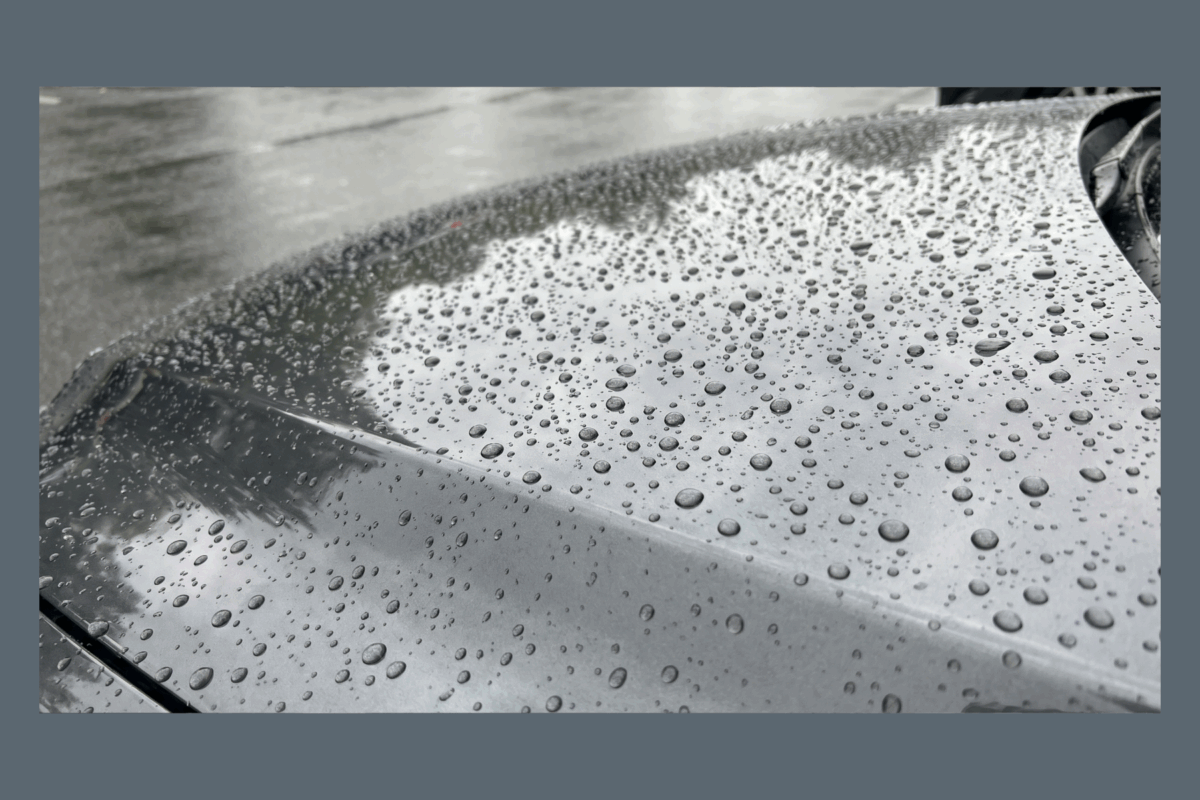
Unlike organic wax or polymer sealant that just sit loosely on top of the paint, ceramic coating becomes an ultra-thin extension of the clear coat itself. It fills the microscopic peaks and valleys inherent to factory clear coats, creating an incredibly flat, low-surface-energy plane that induces extreme hydrophobicity. This yields water contact angles that regularly exceed 110⁰, making it incredibly difficult for contaminants, dust, and grime to come in direct contact with the paint.

Graphene Coating (The Thermal Evolution)

SONAX blog1-1

Graphene coating is often the next logical milestone when it comes to liquid surface protection technology in Dubai. Graphene is an allotrope of carbon, consisting of a single, two-dimensional layer of atoms that are arranged in a tightly bound hexagonal honeycomb lattice. It possesses a tensile strength that is 200 times that of steel, and a thermal conductivity rating that exceeds 5,000W/m.
SONAX Sonax-Blog-Edits-79
SONAX blog1-1

In detailing, pure graphene sheets can not be applied directly onto a car; graphene oxide or reduced graphene oxide nanoplatelets, which are chemically synthesized and stabilized within a traditional liquid silicon-based matrix, are used instead. We often classify them as the best for Dubai’s environmental conditions since they act as thermal insulators that trap heat within the underlying panels; a graphene-infused matrix acts as a highly efficient thermal dissipator. 

It absorbs heat from solar radiation across the entire surface of the vehicle body and radiates it back to the air, preventing the occurrence of hot spots. The chemical structure also reduces the surface electrical conductivity and establishes an anti-static property that physically repels fine desert dust particles. This reduces the dry dust accumulation typical to standard ceramic surfaces. 

However, it is very expensive to purchase and apply, as it may cost up to 2,500 AED and also requires high-level professionalism during installation. Maintenance cost is also very high, and requires a dedicated maintenance routine; hand washing with pH-neutral products to prevent chemical breakdowns.

Paint Protection Film / PPF (The Physical Armor)

SONAX blog1-1

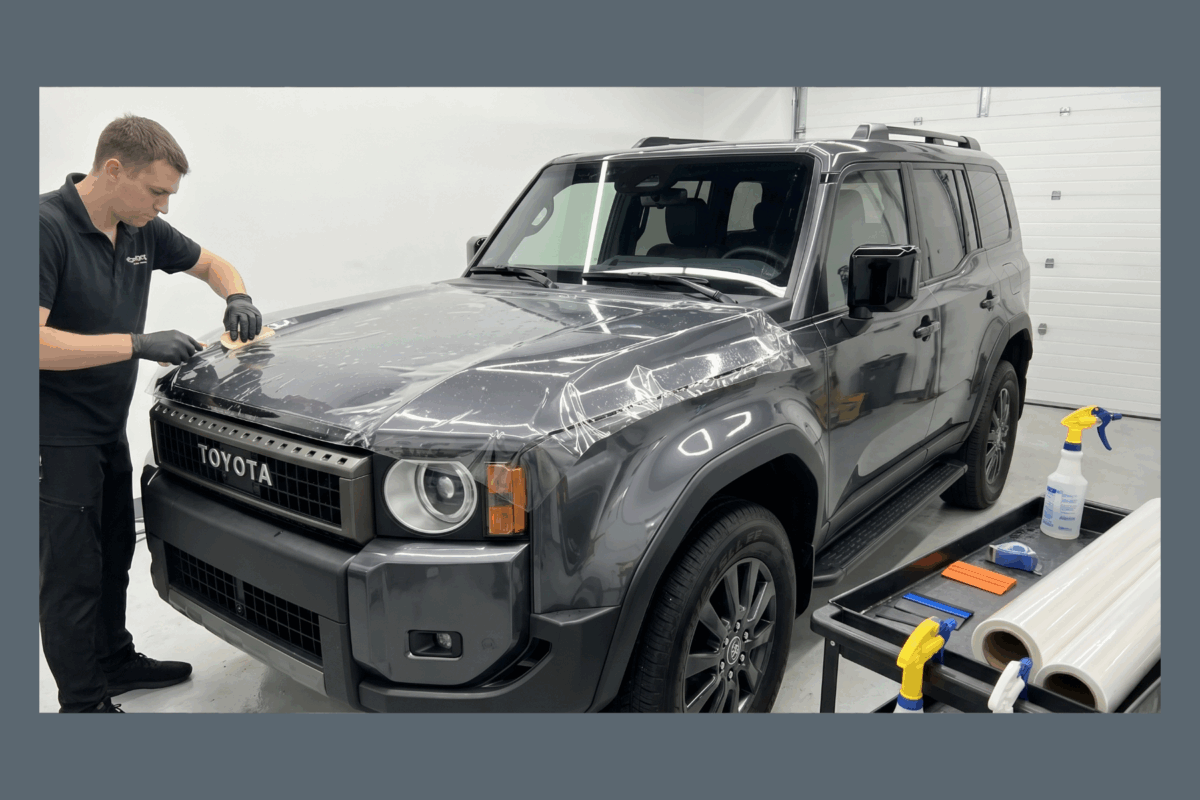
Paint Protection Film was originally made to protect helicopter rotor blades from debris during the Vietnam War and was known as “Clear Bra”, “Chip guard”, or “aerospace protective film”. In the late 1990s, it used rigid Polyvinyl Chloride(PVC) that quickly yellowed, hardened, and cracked under UV exposure. However, coming down to the 21st century, it is now made exclusively from high-grade thermoplastic polyurethane (TPU), which is a thick, multi-layered, physically elastic polymer film applied directly to exterior panels of a car.
SONAX Sonax-Blog-Edits-80
SONAX blog1-1

Like graphene technology, installation requires professional knowledge, making the car paint protection cost high for PPF Installation, with full body coverage costing up to 13,000 AED. A premium TPU film consists of three primary operational layers: 

  • The Pressure Sensitive Adhesive (PSA): It consists of an optically clear acrylic adhesive that is engineered to specifically resist shearing forces. This prevents the film from lifting at complex panel edges while remaining fully removable without causing damage to the factory paint.  
  • The Core TPU Elastomer Layer: It consists of a highly flexible, yet durable layer (typically 6-8 mils thick) which helps absorb shock. It easily dissipates the kinetic energy of impacting debris as it has elongation capabilities and immense tensile strength. 
  • The Self-Healing Top Coat: It possesses self-healing functionality thanks to its specialized low-surface-energy clear polymer layer, which is approximately 0.5 mils thick, and is formulated with polyurethane chains that are configured in a reversible cross-linked network. This displaces the polyurethane molecule when a foreign object scratches or swirls the top coat, without having to break its primary chemical bonds. When exposed to direct UAE sunlight, the heat breaks the secondary hydrogen bonds within the polymer, allowing the molecules to relax back into their original flat orientation. Its goal is to eliminate physical scratches within minutes.

PPF Vs Ceramic Coating UAE: How They Survive UAE Conditions

SONAX blog1-1

To get the best paint protection Dubai heat can’t damage, you must evaluate all three well-known technologies and find the exact one that works for you. Each has its own advantages and disadvantages. When looking for the best paint protection, professional detailers’ charge during installation must also be taken into consideration.
Performance Criteria
Ceramic Coating
Graphene Coating
Paint Protection Film (TPU)
Chemical Composition
Liquid Silicon Dioxide base. Cures to an inorganic glass structure.
Liquid silane matrix infused with reduced graphene oxide platelets.
Multi-layered elastomeric Thermoplastic Polyurethane solid film.
Heat / UV Resistance
Very Good. Stable up to 450⁰C and blocks UV oxidation.
Excellent. Active thermal dissipation reduces surface temperatures.
Excellent. Modern aliphatic TPU resists UV-induced degradation.
Water-Spot Resistance
Good. High hydrophobicity, but prone to spotting if water evaporates quickly
Best. Low thermal retention mitigates spot baking.
Good. Resists etching well, but standing water should be wiped away.
Rock Chips / Abrasion
Limited. Adds microscopic hardness (9H) but cannot absorb heavy impacts.
Limited. Increases light scratch resistance but cannot stop stones.
Best. Heavy physical mass absorbs debris impacts.
Optical Gloss & Texture
High Gloss. Enhances clear coat clarity with mirror-like reflectivity.
High Gloss. Imparts a deep, dark, reflective liquid appearance
High. Modern films lack orange peel and come in gloss or matte.
Typical Lifespan
2 to 5 Years (Highly dependent on maintenance and garage storage).
3 to 7 Years (Enhanced resistance to chemical breakdown over time).
5 to 10 Years (Backed by warranties against yellowing and lifting).
Indicative Cost (AED)
From 1,500 AED for multi-stage correction and application
From 2,500 AED based on formulation and preparation
3,500 AED (Front End) to 13,000+ AED for full-body coverage

The Smart Money: The Hybrid Strategy

All paint protection methods have their own strengths and weaknesses. This has led car owners in the UAE to shift away from a single method to an approach we now call the “Hybrid PPF Ceramic”. The Hybrid PPF Ceramic is the combination of the physical defense of PPF with the brilliance and chemical resistance of an advanced nano coating. 

This helps to maximise protection effectively per Dirham spent. Different parts of a car suffer from different forms of exposure. For instance, the front bumper, hood, front fenders, headlights, side mirrors, and the A-pillars usually suffer damage from sand, gravel, and road debris. Meanwhile, horizontal surfaces and rear-facing vertical panels suffer damage from environmental fallout, UV degradation, bird droppings, and water spotting. 

The Hybrid PPF Ceramic is meant to protect each part based on the most likely damage.

  • Full Front-End PPF Installation: First, a PPF product is applied with full focus on the high-impact areas of the car. It provides solid protection where the vehicle faces physical impacts the most, consisting of areas like the front bumper, headlights, doors, etc. 
  • Full-Body Nano-Coating Application: After applying to the high-impact areas, a high-durability graphene or ceramic coating is applied over the remaining exposed areas. It can also be applied directly on the newly installed front-end PPF for extra protection. 

Choosing Your Protection Profile

When selecting between PPF Vs ceramic coating, there are certain factors to consider. These factors include driving habits, vehicle value, paint colour, long-term ownership goals, and the car paint protection cost Dubai detailers charge. Below is a list that covers three professionals’ profiles tailored to typical UAE real-life use cases.

The Daily Commuter

SONAX Sonax-Blog-Edits-81

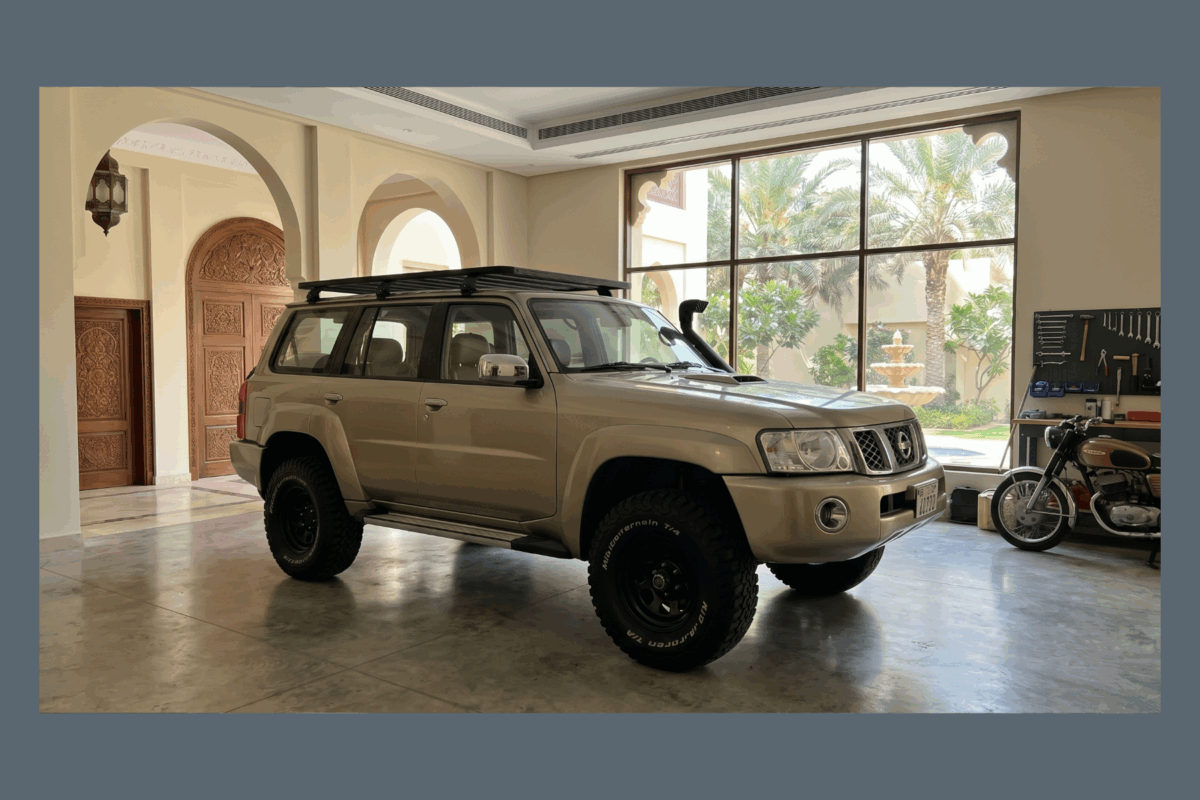
These are drivers who constantly make use of their cars for either personal use or transportation. They usually go for cars like the Nissan Patrol, Toyota Land Cruiser, Tesla Model Y, BMW 5 Series, or any high-mileage fleet vehicle and travel routes like the E11 between Dubai and Abu Dhabi or the E611 bypass constantly. These cars are more exposed to high-speed highway driving, prolonged exposure to unshaded parking lots, frequent sand dust, and regular weekly washing cycles. 

The Front-End PPF + Graphene Hybrid Strategy is highly recommended, but if too expensive, you can go for a multi-layer professional Graphene coating across the entire car surface. The graphene ensures that dust is safely washed off without causing swirl marks while providing UV protection.

The Luxury / Supercar Asset

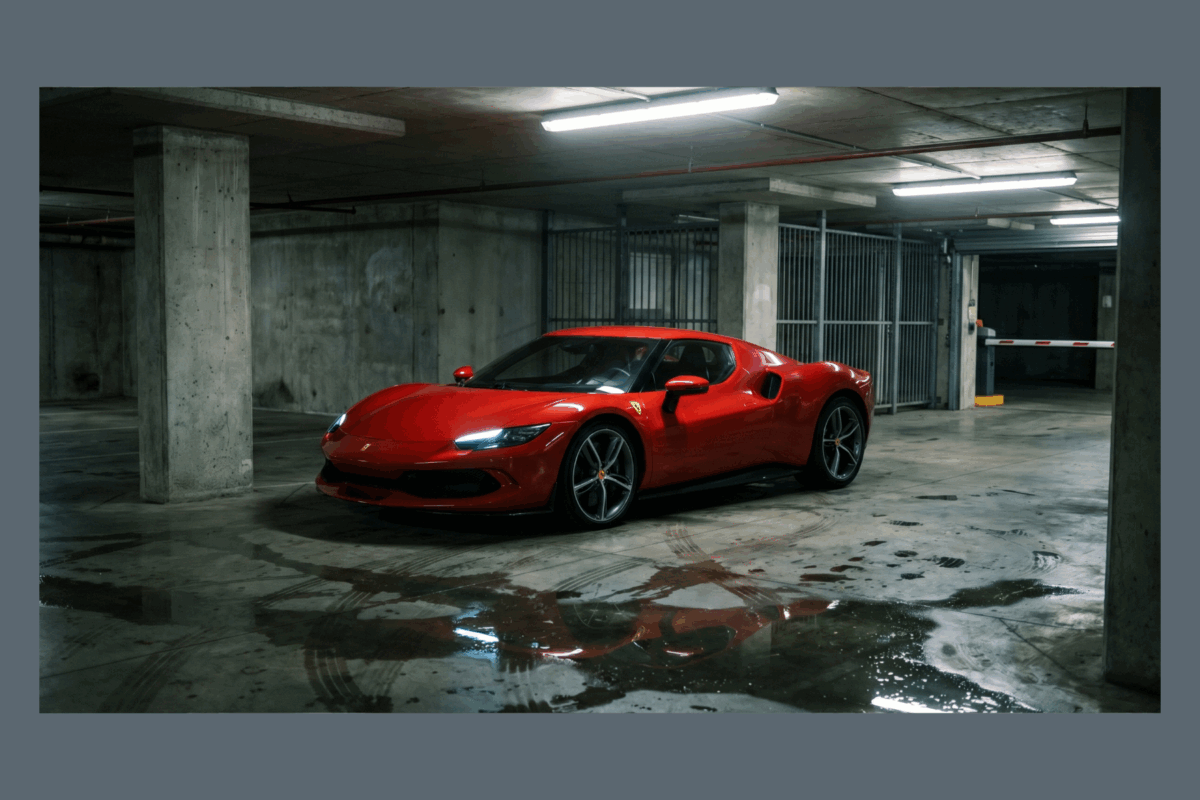
These are high-value cars such as the Porsche 911, Ferrari 296 GTB, Lamborghini Urus, Range Rover Autobiography, Mercedes-AMG G63, or bespoke vehicles with custom matte/satin paint schemes. These cars are not regularly driven as their owners use them for weekend luxury cruising or events. They are mostly stored in the garage and experience less exposure to UAE harsh climate conditions.

SONAX Sonax-Blog-Edits-82

Full-body premium TPU paint protection film capped with a top-layer ceramic coating is recommended, as most luxury cars are made with exotic matte finishes, which cannot be polished to repair minor scratches without introducing permanent glossy patches. This is helpful as cars with original factory paint have premiums of 15% to 25% over panels that have undergone respraying.

The Electric Vehicle (EV) Specialist

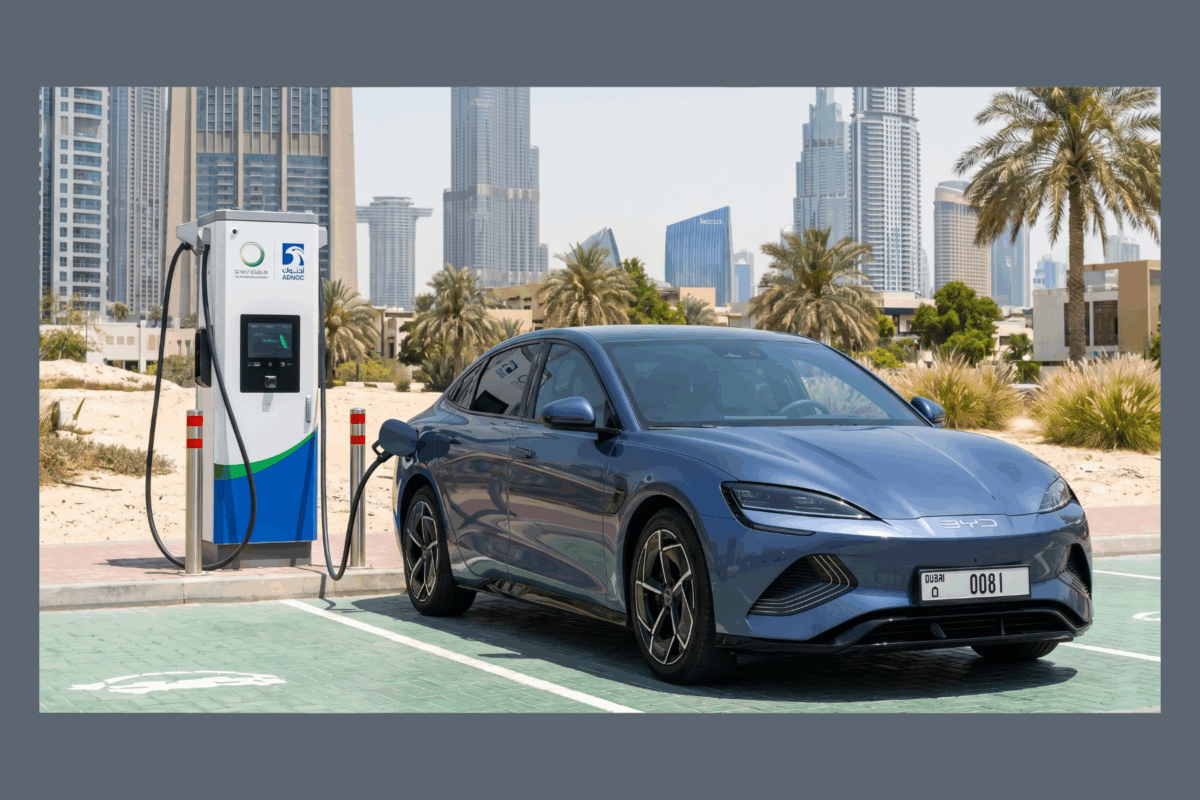
Modern Electric vehicles(EVs) like the Tesla Model 3/S, Porsche Taycan, Lucid Air, Audi e-tron GT, or BYD Seal are usually found in high urban regions. These vehicles emphasize aerodynamic efficiency and high-tech preservation. They feature large battery packs positioned along the floor pans, creating high thermal mass that radiates ambient heat upwards long after the vehicle is parked, making Ceramic Coating hot climate packages an ideal fit.

SONAX Sonax-Blog-Edits-83

This feature also makes EVs susceptible to accelerated water spot etching. Graphene coating is also a good fit as it provides chemical insulation against acid rain and mineral etching while maintaining a smooth surface that supports peak aerodynamic efficiency.

Real-World Maintenance: The SONAX Ecosystem

A common misconception across the automotive industry is that investing in a premium paint protection package eliminates the need for continuous car maintenance. Just as an engine needs correct upkeep to perform as designed, even the most advanced PPF or Graphene coating needs proper care to enable it to protect your car paint effectively. 

Even more so, as the UAE climate accelerates the contamination of protective coatings. If a dry microfiber towel or a contaminated wash mitt is used to wipe down a dusty vehicle, it’s like applying sandpaper on the paint surface. Furthermore, the usage of cheap, high-alkaline detergents (pH>10) breaks down the top layers of ceramic coatings. It is only through using dedicated Sonax products car owners can preserve their surface integrity. 

Their products are engineered to maintain surface integrity through careful pH-neutral chemistry and surface rejuvenation.

The Safe Washing Protocol (The Multi-Bucket System)

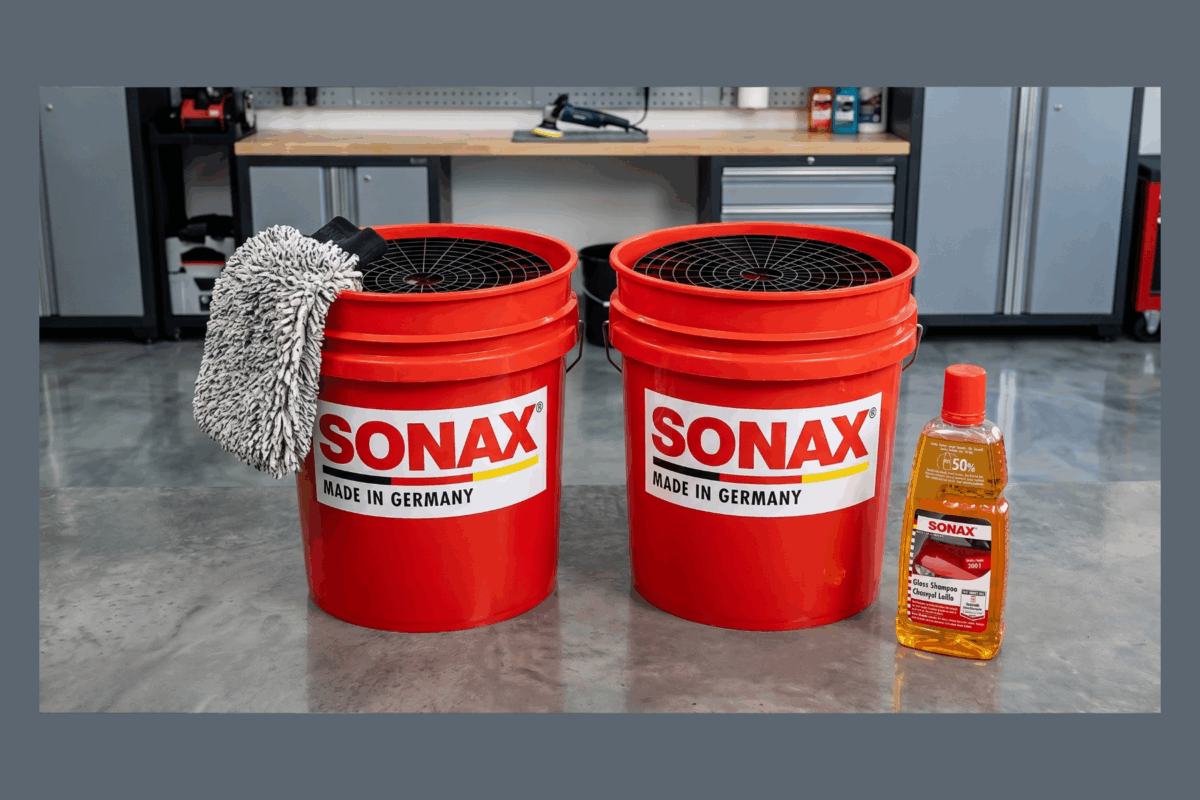
While washing your vehicle, you must consider the type of shampoo you use to prevent a negative reaction with the protective coating. Always go for products like the SONAX Gloss Shampoo as they are pH-neutral shampoos and are formulated to safely encapsulate and lift abrasive sand particles away from the surface without degrading them across the protective layer.

SONAX Sonax-Blog-Edits-84

Also make use of the SONAX Professional 5-gallon wash bucket with grit guard to ensure dirt mixed in the water does not come in contact with the paint surface by isolating the trapped dirt from the clean soapy water.

Maintaining Coated Surfaces

SONAX blog-ppf-2

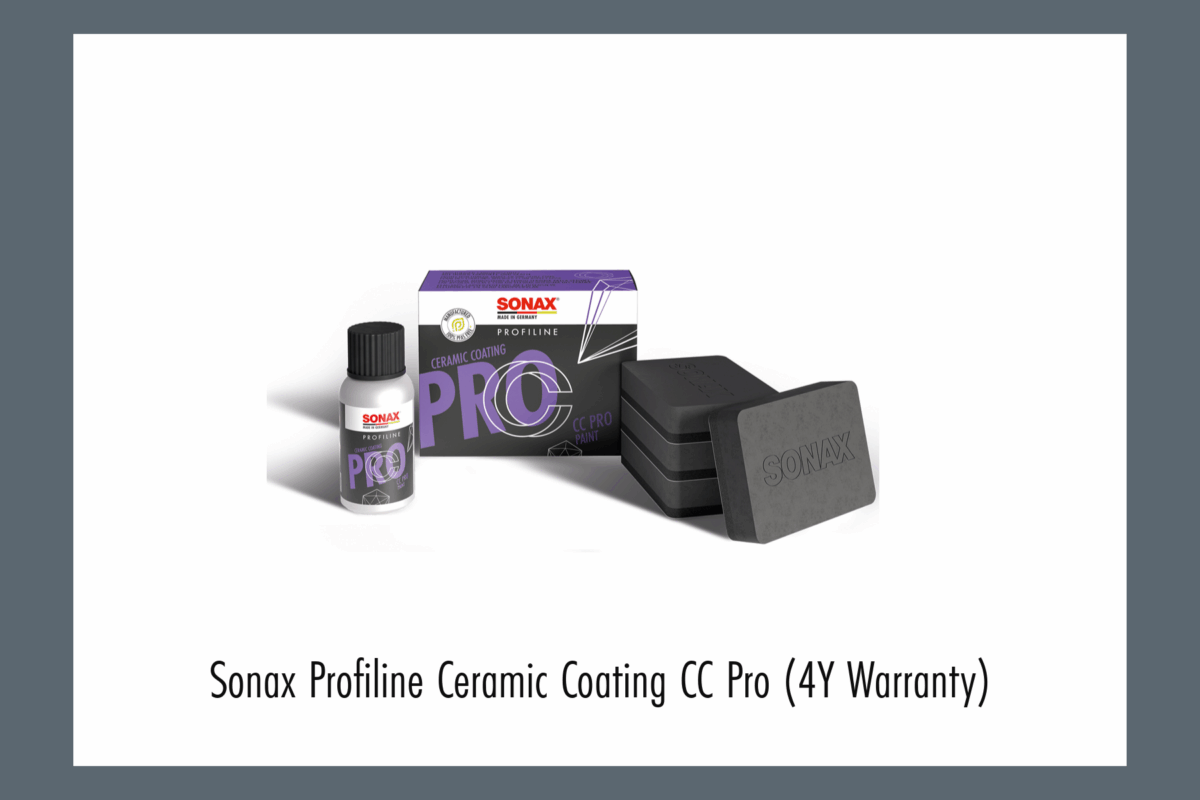
Ceramic and graphene coatings tend to experience coating clogging after months of exposure as microscopic traffic film and airborne minerals lodge into the nano pores of the coating. This reduces its water beading performance. With the use of products like the SONAX Profiline Ceramic Coating CC Pro (4-year warranty) the original appearance and features can be maintained for as long as the coating lifespan.

Maintaining Film-Wrapped (PPF) Surfaces

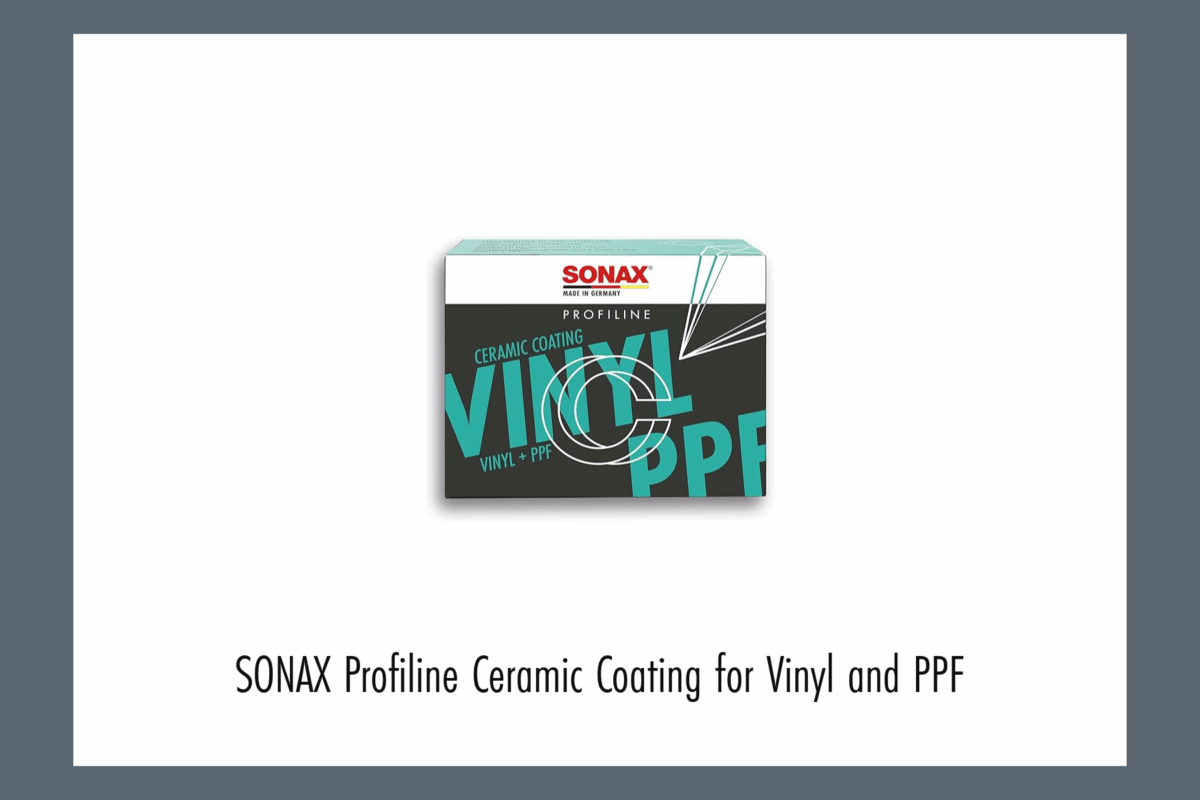
When maintaining paint protection film (PPF), dedicated care is required to prevent the TPU polymer from drying out under the intense UAE UV radiation. SONAX has dedicated products specifically made to use the chemical structure of PPF and maintain its original protective characteristics. SONAX Profiline Ceramic Coating for Vinyl and PPF cleans the film safely without lifting edges or leaving chalky white residue along the seams.

SONAX blog-ppf-3

It also applies vital UV blocks directly into the film pores, which helps to maintain the TPU’s elasticity so it can self-heal.

Conclusion

Choosing between PPF Vs Ceramic coating UAE solutions is not about finding a single winner but identifying the protection system that best matches your vehicle, driving habits, and long-term ownership goals. For drivers looking for maximum defense against stone chips, road debris, and sandblasting, modern TPU-based paint protection film remains the most ideal solution. 

Those focusing on gloss enhancement, hydrophobic performance, and easier maintenance will find ceramic coating to be the most suitable for daily protection. Yet, even the best Ceramic Coating hot climate package, graphene coating, or PPF system will not achieve its maximum lifespan if not properly maintained.

Frequently Asked Questions (FAQs)

Which Is Better in the UAE: PPF, Ceramic Coating, or Graphene Coating?

When talking about the best between PPF Vs ceramic coating UAE, it all comes down to your priorities. PPF is best for protecting against stone chips, sand abrasion, and scratches. Ceramic provides excellent gloss, hydrophobicity, and UV protection, while Graphene offers improved heat management, anti-static properties, and enhanced water spot resistance.

Does Graphene Coating Perform Better than Ceramic Coating in Dubai's Heat?

Graphene coating is an improvement over the traditional ceramic coating as it is thermally conductive and anti-static. This helps reduce surface heat retention and attract less dust compared to traditional ceramic coatings.

Is PPF worth the higher cost in the UAE?

Yes, and it is the only paint protection that can physically absorb impacts from sand, gravel, and road debris. While the initial car paint protection cost Dubai installers charge may be significantly higher than ceramic or Graphene coatings, it can prevent expensive repainting and preserve resale value.

Can Ceramic Coating prevent scratches and stone chips?

No. Ceramic coating reduces minor swirl marks but cannot stop rock chips, deep scratches, or sandblasting damage. This is because it cures into an extremely thin layer.

Can PPF and Ceramic Coating be installed together?

Yes. It can be combined to give us a Hybrid PPF Ceramic approach. PPF is applied to vulnerable areas such as the front bumper, headlights, and mirrors, while ceramic or graphene coating is applied to the remaining painted surface of the car.