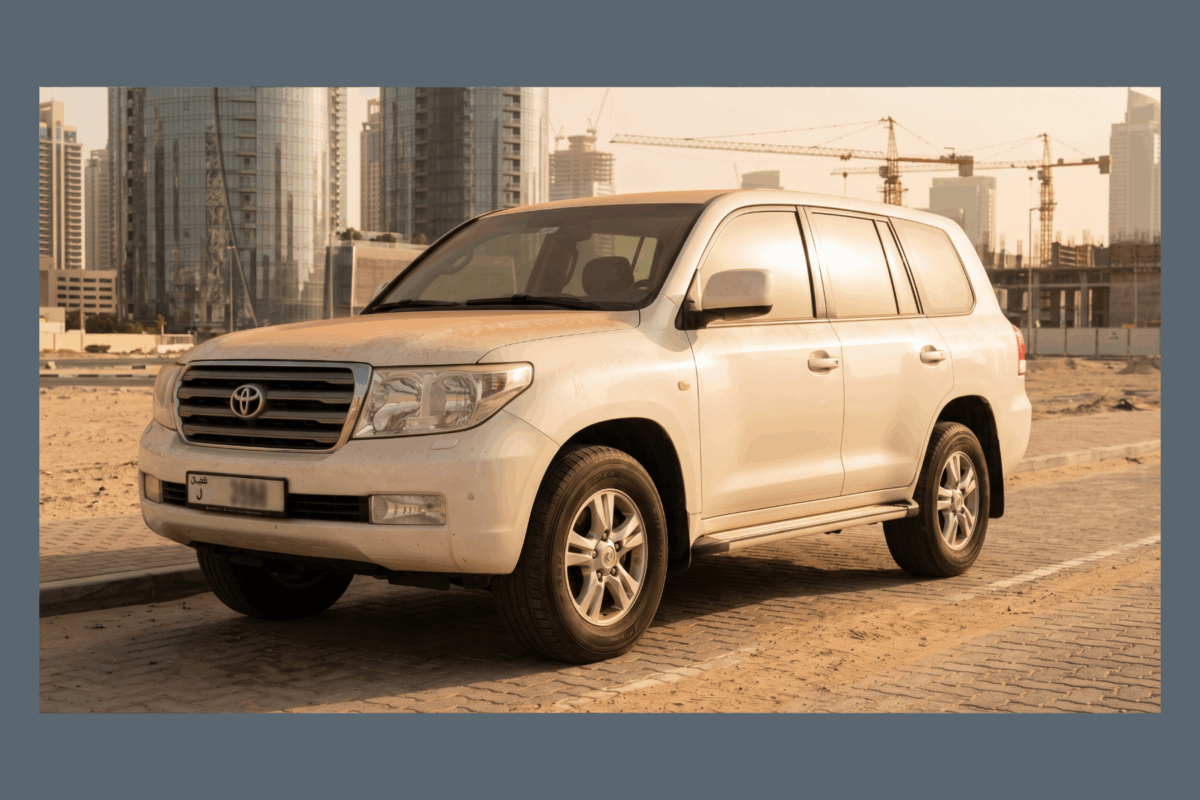
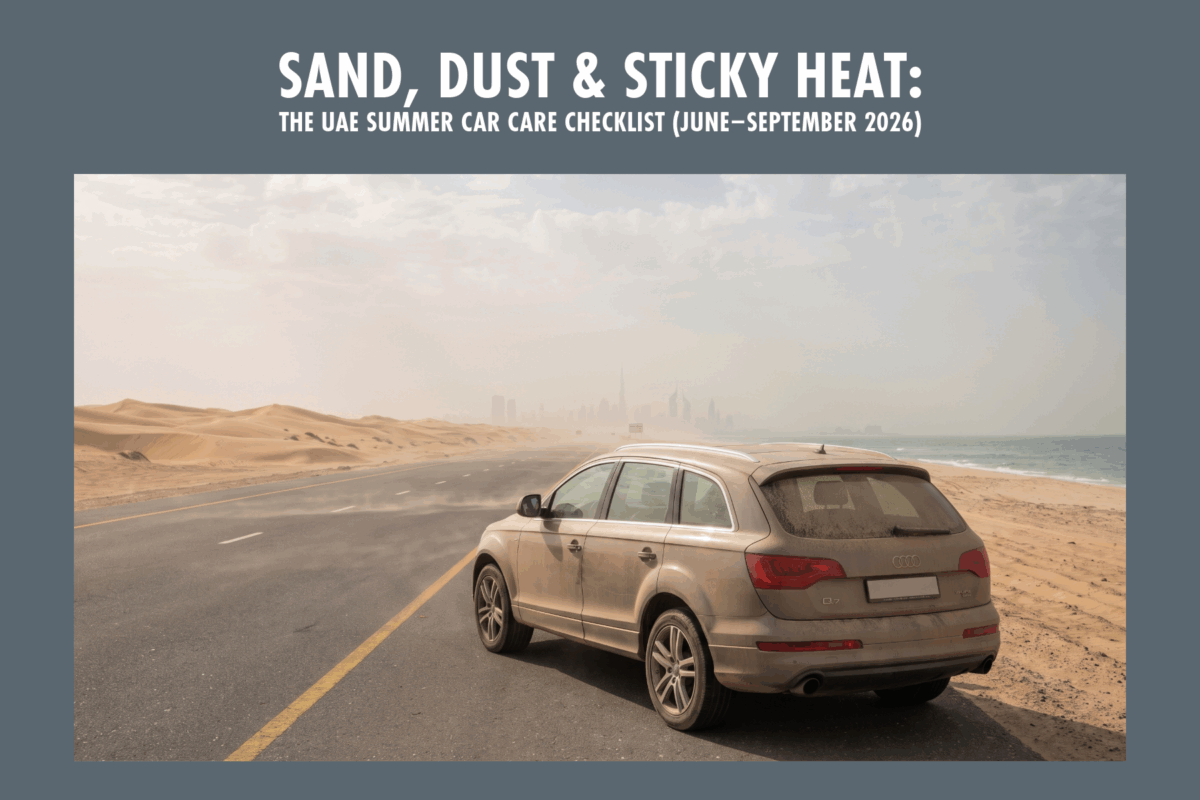
June and September are the periods in the United Arab Emirates (UAE) where the combination of extreme desert heat, intense ultraviolet (UV) radiation, abrasive dust storms, and heavy coastal humidity creates a harsh corrosive environment for vehicles. At the peak of summer, ambient air temperature exceeds 45⁰C to 50⁰C. Surface temperatures are even higher, as parking under the UAE sun causes automotive paint and clear coats to absorb solar radiation, making cars’ surfaces reach between 85⁰C and 95⁰C.
Car owners, detailers, and car enthusiasts must learn how to protect cars from the heat of Dubai summer using proactive preservation strategies to preserve their vehicle’s appearance and protect its resale market value. This article provides an actionable UAE summer car care checklist.
Exterior UAE Summer Car Care Checklist: High-Heat Wash and Paint Protection
Wash Technique in Extreme Heat
To avoid damage caused when parking under the sun, you must set aside good timing for washing your vehicle during the summer heat. Below are key pieces of information one should know when washing during the summer heat:
- Never wash a vehicle directly under sunlight.
- Do not wash a vehicle when the body panels are still hot.
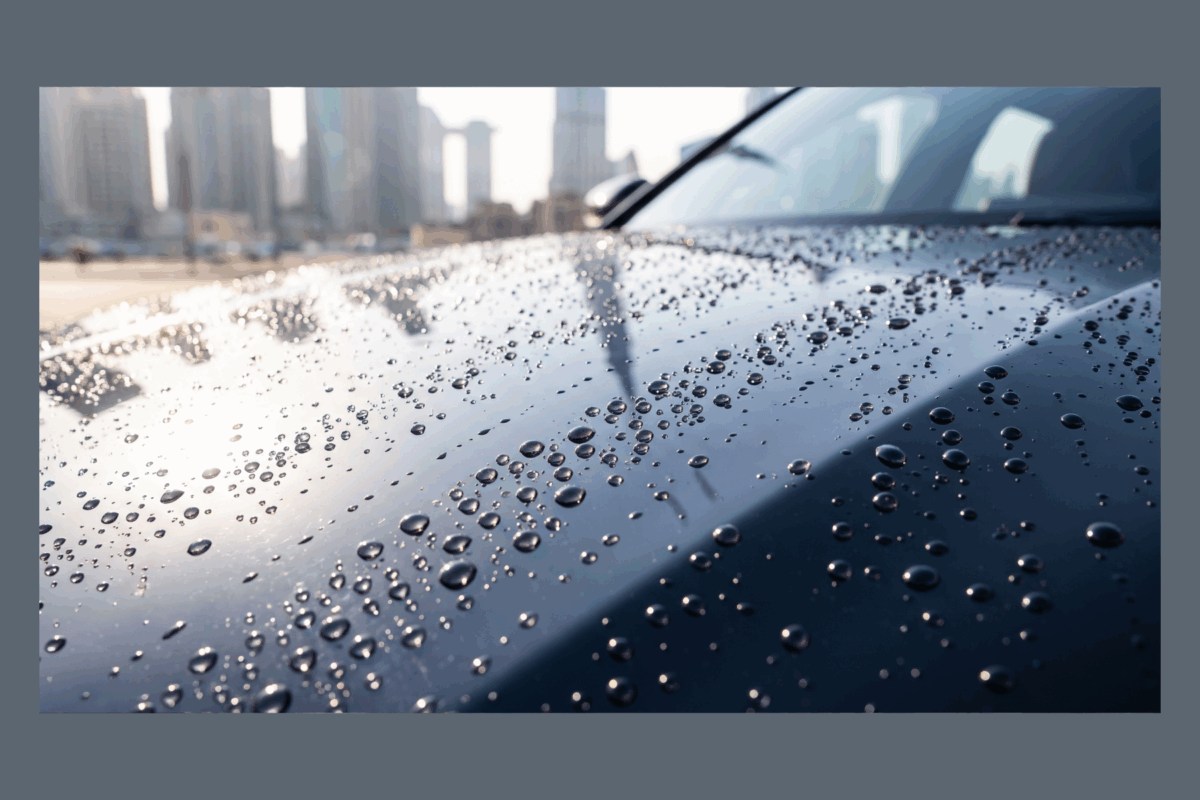
- Water sprayed onto an 85⁰C surface evaporates instantly, leaving hard calcium, magnesium, and mineral deposits that create stubborn water spots.
- To prevent water spots in summer in Dubai, the best time to wash vehicles is early in the morning or late in the evening.
- Wash inside a garage, under a shaded canopy, or dedicated wash bay.
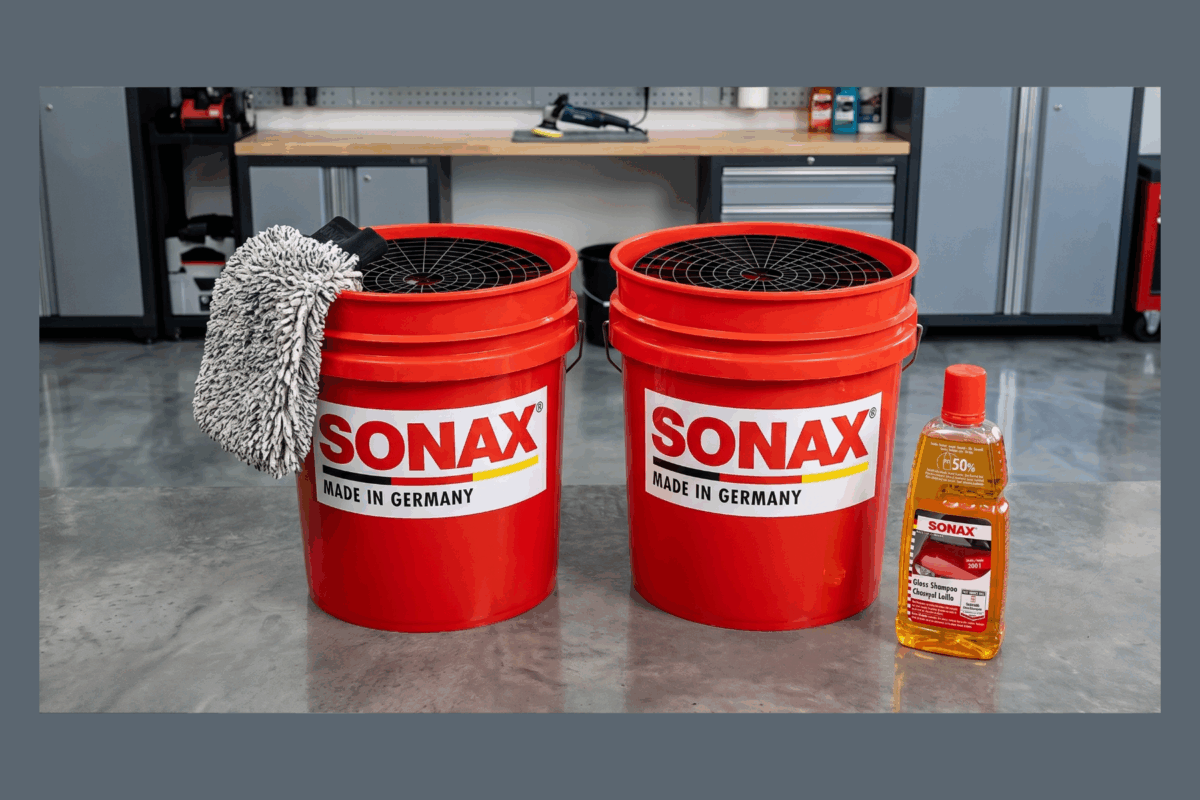
- Make use of a pH-neutral shampoo, using the two-bucket method.
- Wash and rinse one panel at a time to prevent the shampoo from drying on the paint.
- Dry immediately using a premium, ultra-absorbent Microfibre drying towel and avoid the use of old cotton rags.
- Do not let the car air dry before cleaning.
Pre-Summer Paint Protection Top-Up
Before the July and August extreme heat, it is essential you establish a durable sacrificial barrier over your clear coat. This protects the car from the Dubai summer heat, and preserves the original aesthetic of your paint work during this period. Follow the steps below to prepare your vehicle for the summer heat:
- Using a dedicated clay bar or a specialized iron remover, strip away highway-embedded grime, industrial fallout, and old wax layers.
- Apply an advanced polymer or ceramic sealant. Traditional carnauba waxes melt down completely in days, as it has a melting point of 82⁰C-86°C which the Dubai summer exceeds. While modern synthetic polymers or silicon dioxide ceramic spray sealants create cross-linked chemical bonds that remain stable past 200⁰C.
- For vehicles with an already installed professional ceramic coating or paint protection film (PPF), apply an additional top layer ceramic detailer. This helps in sealing the surface pores, improves hydrophobic water beading, and stops airborne dust from clinging to the panels.
Wheels, Tyres, and Brake Dust
The UAE climate not only affects the paint surface of your vehicle; wheels and tyres can absorb heat from both the sun and braking friction. Follow these few steps to get your tires and brakes functioning properly.
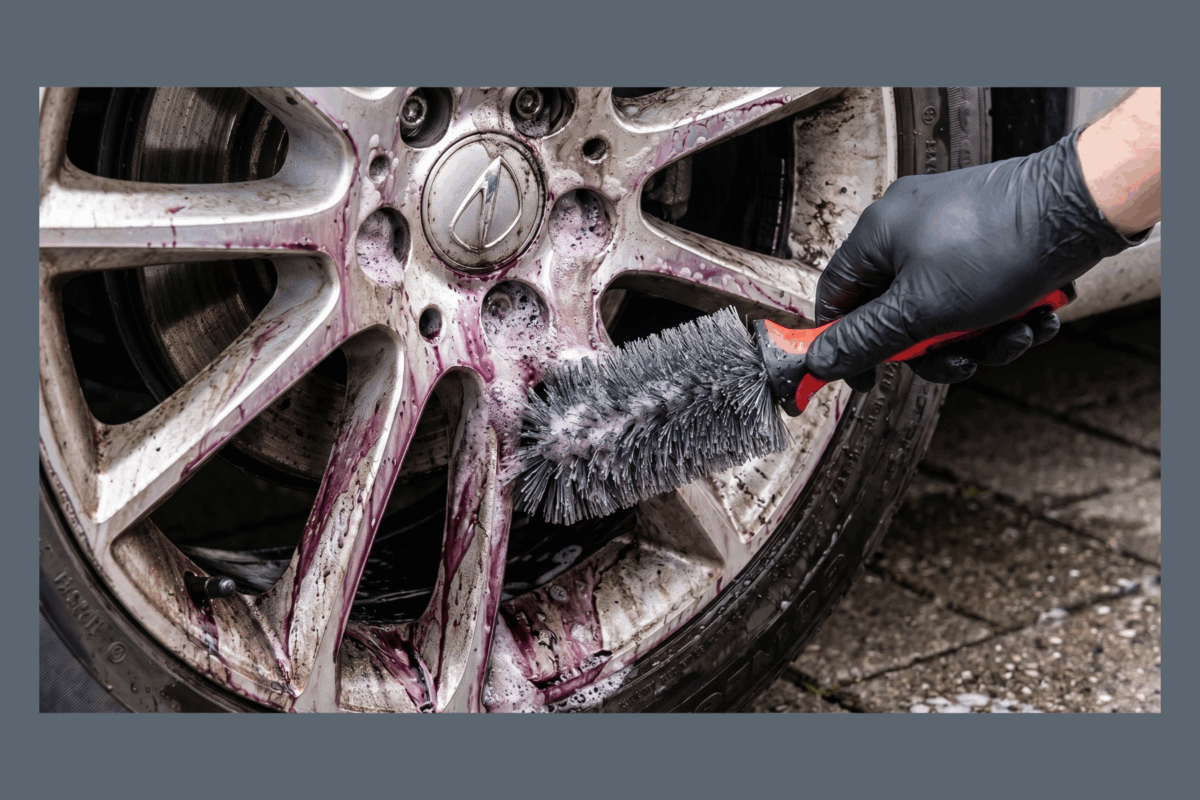
- Clean your rims only when they are completely cool to the touch.
- Do not spray cold water onto hot brake rotors in an attempt to cool them off, as it causes the metal to warp or lead to chemical staining.
- Remove brake dust regularly using a pH-neutral, colour-changing wheel cleaner. Brake dust can burn into the wheel finish under extreme heat as they contain ferrous metal particles. Using a pH-neutral, reactive cleaner safely dissolves these bonds without damaging delicate alloy surfaces.
- Apply a high durability tyre gel or protectant to prevent sidewall cracking and dangerous dry rot. Then, make use of a deep penetrating rubber conditioner to maintain flexibility and provide a clean, non-greasy finish.
Interior UAE Summer Car Care Checklist: Shielding the Cabin Environment
Below is a well-researched interior car AC and interior summer checklist all car owners, car enthusiasts, and detailers must know.
Leather and Dashboard Preservation
Cabin temperature can easily exceed 75⁰C when windows and doors are closed, and the car is parked under direct sunlight. This heat quickly damages the interior components gradually. To prevent interior components made of leather from getting damaged, follow these tips:
- After every three weeks, clean and condition all leather surfaces, as high heat and localized humidity from sweat causes natural leather to lose its essential moisture. This leads to hardening, shrinking, and eventually cracking along the bolster seams.
- Apply a dedicated leather care cream thoroughly into the pores to restore the leather flexibility without leaving a slippery or glossy residue. The care cream should have UV-blocking characteristics.
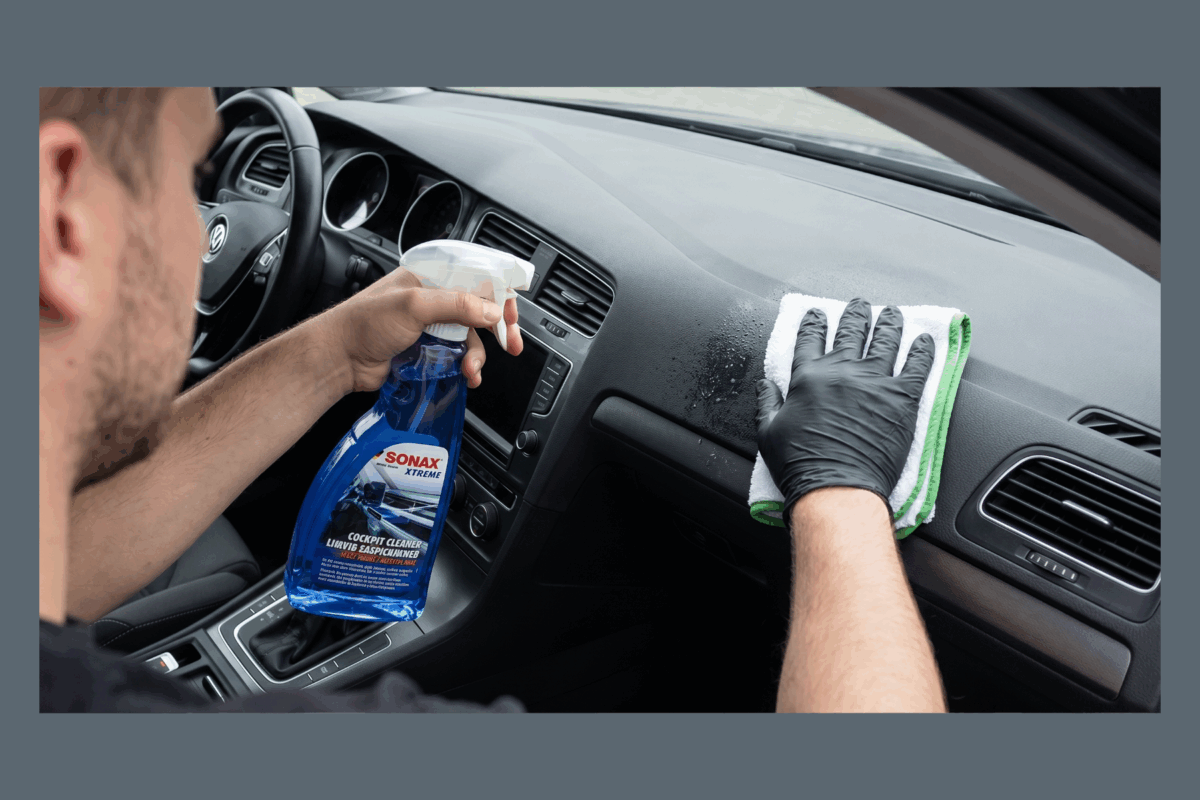
- Treat the dashboard, door panels, and center console with a matte finish plastic protectant. Avoid the use of high gloss interior dressings as they may contain heavy silicone oils that act like a magnifying glass under the sun. Matte protectant preserves the factory appearance and adds an anti-static barrier that prevents fine desert dust from settling on the surfaces.
Glass, Sun Glare, and Visibility
When the summer sun glare combines with hazy, dust-laden air, driving visibility is reduced drastically. To maintain proper visibility, clean the interior glass surfaces thoroughly to remove any form of chemical film layer. Plasticiser outgassing creates a hazy, greasy film on the inside of the windshield that scatters light and causes glare during sunrise and sunset. Make use of an alcohol free professional glass cleaner, paired with a dedicated waffle weave microfibre glass cloth to wipe out the streaks.
Also, carefully inspect your windshield wiper blades after parking in the sun, as the intense heat can warp or melt the delicate rubber that has contact with the hot glass. This leads to skipping and smearing during unexpected dust storms or summer showers.
Car AC and Interior Summer Checklist: AC System, Odours, and Cabin Hygiene
The vehicle’s climate control system during summer heat is under peak load and needs proper maintenance for it to work properly. At the first of June, replace the cabin air filter, as during the winter and spring season, the filter is usually filled with fine desert dust, pollen, and debris that restricts airflow and forces the AC compressor to work even harder than usual.
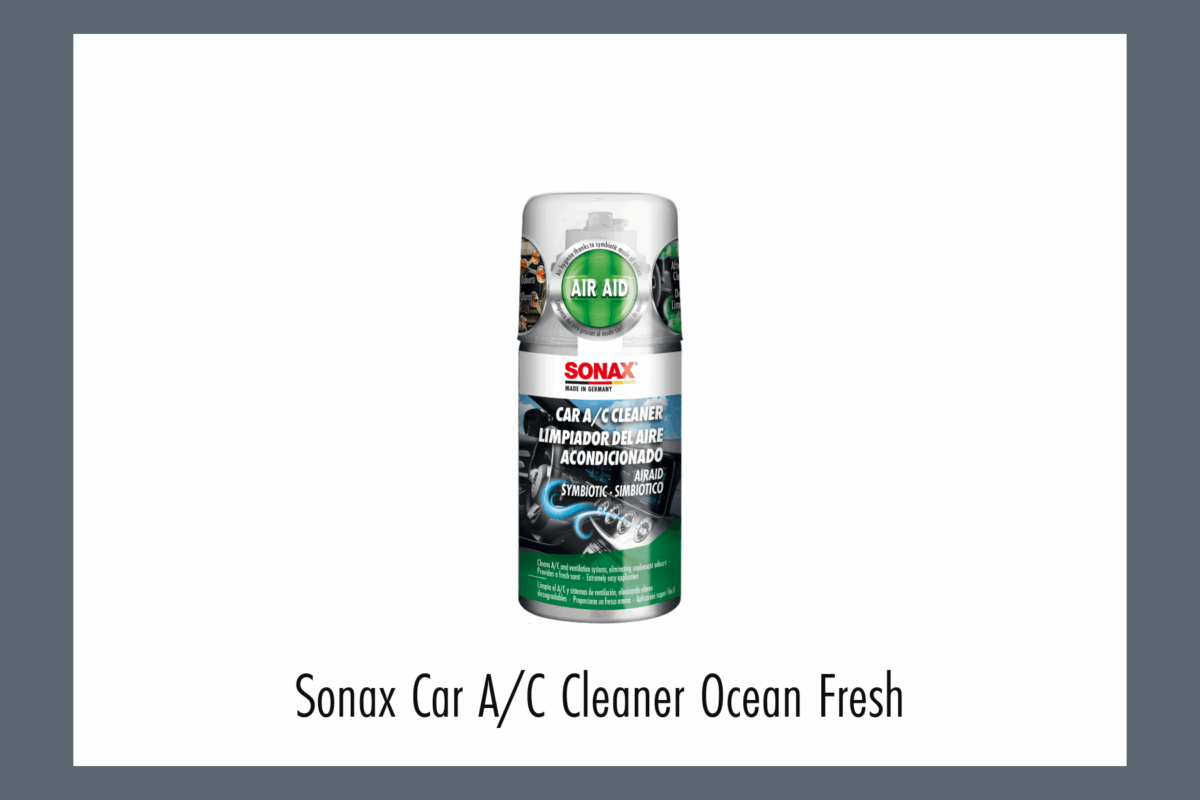
Also, sanitize the air conditioning evaporator core. Heavy condensation is usually created inside the ventilation ducts, and this dark, damp environment encourages mold, bacteria, and mildew growth, which may result in stale, sour smells when you start your car. Sterilisation eliminates odours at the main source and ensures clean and hygienic air throughout the car.
Sandstorm Survival: Before, During, and After
Sandstorm car care UAE is also important as dust storms and sandstorms are unpredictable during the summer. Car owners must make these necessary care adjustments, which we grouped into three basic categories:
Before the Storm
Once a storm is forecasted, inspect the engine air filter to ensure it isn’t already clogged with debris. This helps the engine breathe efficiently despite high airborne dust concentrations. If you wish to park outside a garage, ensure all windows, sunroofs, and ventilation are completely sealed.
During the Storm
During a sandstorm, once visibility drops, reduce your speed to between 80km/h and 100km/h for safety. Driving at high speed into a sandstorm accelerates physical sandblasting along the front bumper, headlights, and paintwork. Set your climate control system to full internal recirculation mode as it closes the external fresh air intake flap. This prevents fine dust from bypassing the cabin filter and filling the interior.
After the Storm
When wiping off dust after your vehicle after a sandstorm, never use a dry microfiber cloth, duster, or towel to wipe dust off the paint. Using a dry wipe grinds these hard minerals directly into the clear coat, creating severe swirl marks and scratches across the entire vehicle.
First, rinse with a high-pressure water washer thoroughly; start from the top to the bottom to flush away loose sand from the paint, window seals, door jambs, and brake assemblies. After thoroughly rinsing with clean water, apply a thick layer of high lubricity snow foam and let it dwell on the vehicle for three to five minutes. This helps to loosen any remaining sand particles on the surface of the vehicle.
Smart Parking and Daily Summer Habits
There are some smart daily habits that, when adapted, enhance how well your vehicle is protected from the harsh UAE climate. Chief of them is using a high-quality, custom-fitted reflective front sunshade whenever you park outside. The reflective metallic side should be facing outward to deflect UV rays away from the cabin. This helps to lower interior dashboard temperature by up to 25⁰, protecting the electronics and materials underneath.
Park with the rear of the vehicle facing the sun if an angled outdoor parking space lacks shade. This protects the front windshield and dashboard from direct sunlight, preventing the highest thermal exposure of the steering wheel and instrument clusters. When parked in a secured monitored area, leave the side windows cracked open by 3 to 5 millimeters.
it allows superheated air to escape, reducing pressure on the glass seals and preventing heat build-up within the cabin, but do not attempt this whenever a dust storm is expected to occur.
The Month-by-Month Summer Maintenance Schedule
|
Month
|
Climate Conditions
|
Priority Action Items
|
Target Areas
|
|---|---|---|---|
|
June
|
Heat steadily increases (40⁰C-43⁰C) as humidity begins to rise.
|
Apply a pre-summer paint protection top-up, inspect and replace the cabin air filter, and fit reflective front sunshades.
|
Clear coat protection, cabin air filtration, initial UV shielding.
|
|
July
|
Peak thermal load (45⁰C-48⁰C); high airborne dust concentrations.
|
Perform frequent, gentle, low-contact washes. Deeply condition and protect all leather and dashboard surfaces.
|
Sand dust removal, interior leather elasticity, vinyl UV defense.
|
|
August
|
Maximum ambient heat (48⁰C-50⁰C); intense coastal humidity.
|
Carefully monitor and remove mineral water spots, and execute a complete AC system disinfection check.
|
Prevention of baked water spots, evaporator core hygiene, odour elimination.
|
|
September
|
Temperatures begin to ease (38⁰C-41⁰C); residual post-dust hazing.
|
Perform full paint decontamination. Strip away summer oxidation, and reassess and top up paint protection.
|
Industrial fall-out removal, gloss restoration, preparing paint for autumn.
|
The Professional SONAX Solution Mapping
Using professional-grade products designed for high-temperature environments ensures your vehicle stays protected throughout the summer.
Problem: Paint Oxidation and Heat Stress
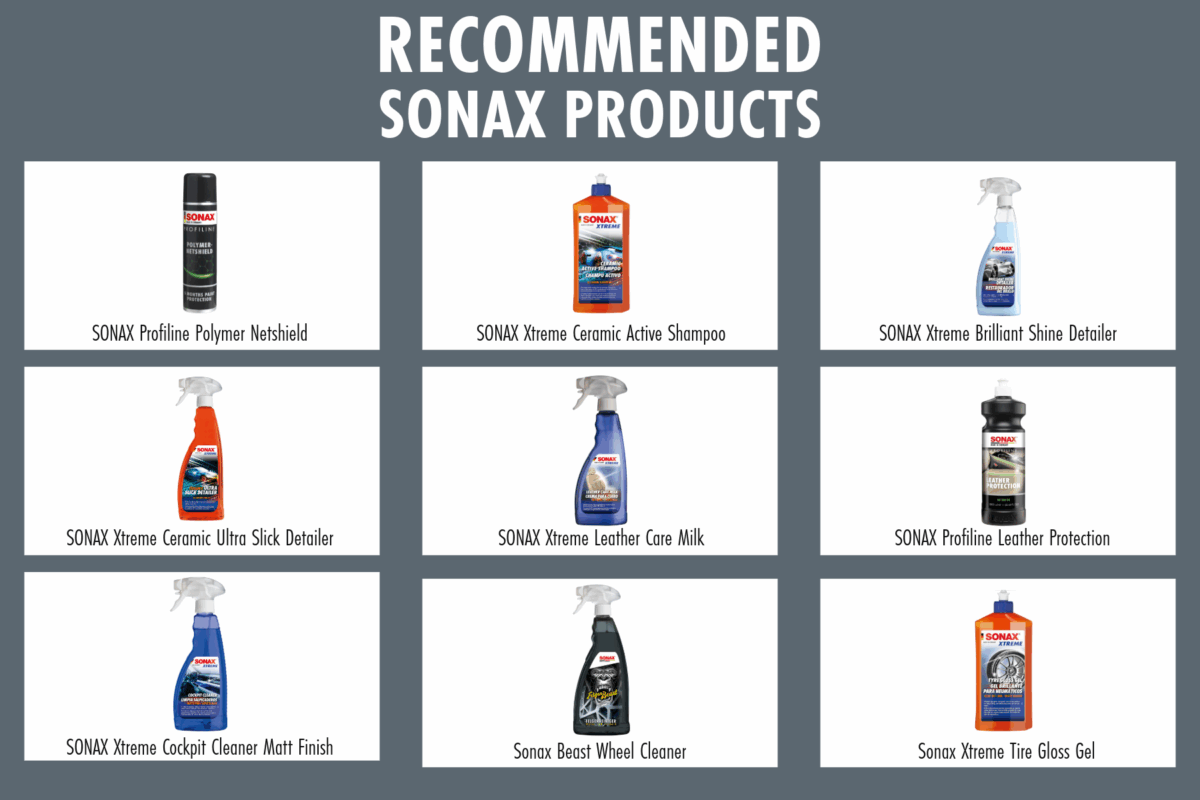
Under extreme temperatures like those of the UAE, traditional waxes fail as they can not resist intense UV rays nor prevent environmental contaminants from binding to the paint clear coat. To protect the car from the heat Dubai summer imposes on cars, make use of products like the SONAX Polymer Net Shield or SONAX XTREME Ceramic Spray Coating, as they create a highly durable, cross-linked protection layer on the paint.
For regular maintenance wash, make use of the SONAX XTREME Ceramic Active Shampoo as it both reinforces the sacrificial ceramic protective layer and cleans contaminants off the surface of the vehicle easily.
Problem: Stubborn Water Spots and Dust Attraction
High humidity and rapid morning evaporation create mineral deposits on paint surfaces, and static charges attract fine desert dust to the body panels, causing water spots on the vehicle. To prevent water spots during summers in Dubai, make use of SONAX Xtreme Brilliant Shine Detailer or SONAX Xtreme Ceramic Ultra Slick Detailer just after washing.
They help reduce the surface friction of the paint, creating an anti-static barrier that helps repel dust. These products contain high hydrophobic properties that make water slide off the panels before it dries and leaves mineral rings.
Problem: Dry, Cracked Interior Leather and Fading Dashboards
Dry cracks and colour fading on the interior leather surface are a result of high cabin heat. Plasticiser outgassing leads to surface cracking and unpleasant windshield glare as the heat dries out the natural leather components.
To protect your interior even under the blazing UAE climate, apply the SONAX Xtreme Leather Care Milk or SONAX Profiline Leather Protection to restore natural moisture and flexibility of your leather interior surfaces. Treat the dashboard with the SONAX Xtreme Cockpit Cleaner Matt Finish to preserve the original look without adding oily, reflective silicones.
Problem: Baked-On Brake Dust and Brittle Tyre Sidewalls
As you drive the high road, the high surface temperature causes metallic brake dust to burn into your wheel rims as the intense UV rays dry out the tyre rubber compounds. This increases the risk of sidewall dry rot. To prevent this from occurring, clean your wheel with the Sonax Beast Wheel Cleaner (1L).
A non-acid, colour-changing formula that dissolves burnt iron particles without harming your alloy finishes. Afterwards, apply the SONAX XTREME Tyre Gloss Gel to the sidewalls to help protect the rubber compound and maintain a deep, rich appearance.
Problem: Sour AC Odours and Clogged Ventilation Systems
Condensation inside the dark ventilation ducts creates a breeding ground for mold and bacteria. This causes sour, musty smells when the climate control turns on. Deploy a SONAX Car A/C Cleaner Spray canister inside the cabin and set the system to full recirculation to pull the sanitizing formula through the ventilation network. This helps eliminate odours caused by bacteria and cleans the evaporator core.
Conclusion
To get the UAE Summer Car Care right, your summer routine care should not be a one-time task but a continuous process that requires adapting to some of the world’s harshest driving conditions. In the UAE, a vehicle is constantly under stress during the summer months with scorching temperatures that push paint surfaces close to 95⁰C, abrasive sandstorms, intense UV radiation, coastal humidity, and airborne contaminants.
Ignoring these challenges accelerates paint oxidation, interior fading, wheel deterioration, and air conditioning inefficiency. With a well-planned UAE summer car care routine, you can keep your vehicle at peak form even during the scorching summer heat.
Frequently Asked Questions
The best time to wash is either in the early morning between 6:00 AM and 8:00 AM or late in the evening after 7:00 AM. During this period, the body panels are completely cool, and water and detailing shampoos can not dry up quickly.
This is because the domestic water supply in the UAE contains high levels of dissolved minerals like calcium and magnesium. When this water is sprayed onto a hot car panel, it evaporates and leaves concentrated mineral rings behind that etch into the softened clear coat. To prevent water spots in summer in Dubai, ensure the car panel is completely cool before washing, avoid washing directly under the sun, dry car panels immediately after washing with a high-quality microfiber towel, and apply paint protection with hydrophobic properties.
Clean and condition the surface every three to four weeks using a specialised leather conditioner that contains UV blockers like SONAX recommended products. Regular treatment restores the natural oil lost to high heat and cabin humidity.
Washing a hot car can cause thermal shock to several components, as cold water sprayed onto hot brake rotors can cause the metal to warp. This results in steering vibration when braking.