Car washing and cleaning have become a common sight in the UAE, since it is an effective approach to preventing road grime and dirt from settling on any car surface. In fact, based on a survey by VIS, the organisers of Middle East Cleaning Technology Week (MECTW), in the UAE, where expatriates represent 88% of the population, non-Emirati residents get their car professionally cleaned three times a month on average, while Emiratis, generally wealthier, go to a car wash 5 times a month.
However, in the desert lands of the Gulf, water, which is a vital element in the traditional method of washing cars, is a scarce and expensive resource. This has forced DIY enthusiasts and professional detailers to pivot towards waterless car wash techniques. But, is it safe? What are the risks involved? And does it do a better job than the regular car wash? Read this full article to learn everything about waterless car wash in the UAE.
What Is a Waterless Car Wash
A waterless car wash technique involves removing dirt and grime from vehicles without using flowing water. The primary goal here is water conservation, and instead of buckets and hoses, it utilizes pH-neutral cleaning solutions and high-absorbency microfiber cloths that wipe dirt while protecting paint. It is designed to be non-toxic, making the process ideal for urban living, apartments, offices, and parking spaces.
The science behind it is simple; the process begins with a spray-on car wash, which is a pre-mixed detailer with high lubricity that wipes away any stubborn stains or grime for a dry and shiny finish. The chemicals on the waterless car cleaner break down contaminants, before a microfibre towel lifts up grime and dirt from the car’s surface.
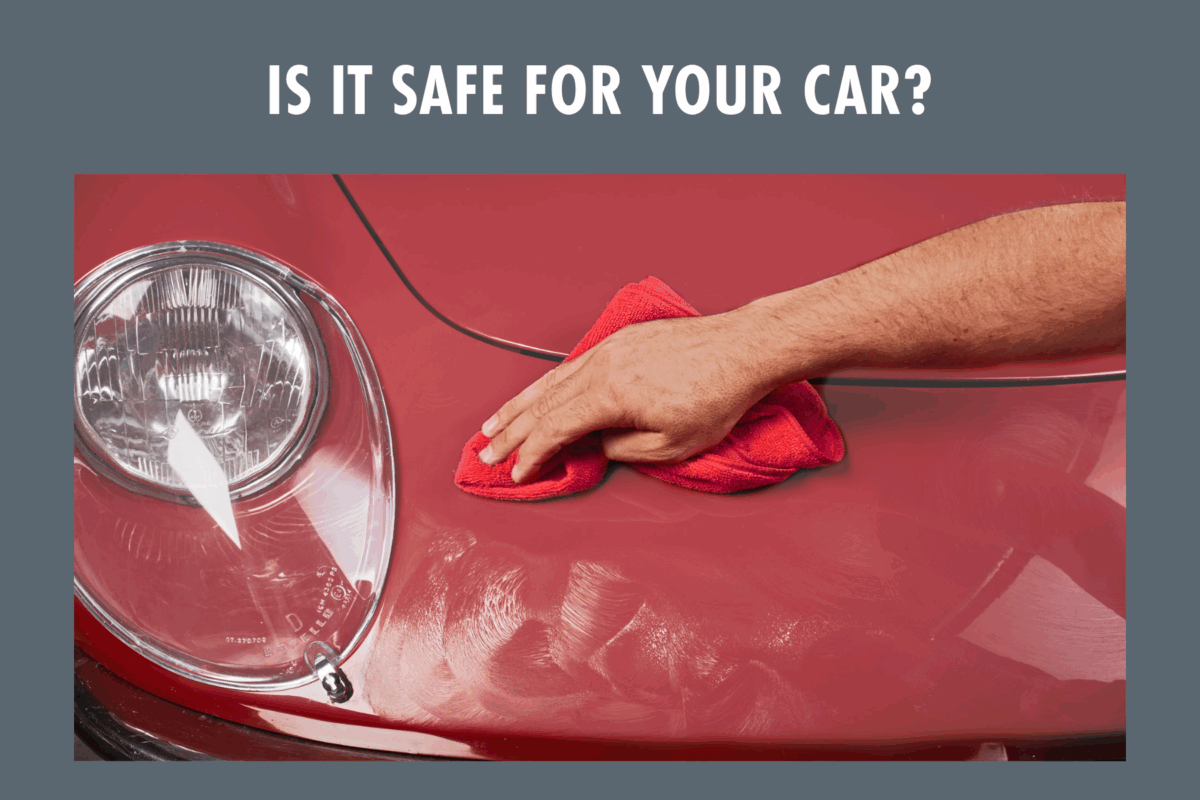
Is It Safe for Your Car?
Waterless car wash techniques are safe for cars, but there are a few concerns that every car owner in the UAE should consider. One of these issues is the potential for scratches and swirl marks to a car’s finish. It happens because when you clean a dirty car with a cloth, there are risks of dragging the particles along the surface. This, in turn, scrapes the car paint and dulls its appearance.
To reduce the potential for scratches, it is always best to use a quality microfiber cloth that encapsulates and picks up dirt rather than dragging it along the surface. At SONAX, we designed our Microfibre Cloth to be finer than human hair, making it the ideal option for an effective waterless car wash. Some of the reasons why they are the go-to choice include:
- Traps dirt deep within the fibers.
- Prevent contaminants from being dragged across the paint.
- Reduce friction during wiping.
- Leave a streak-free, glossy finish.
Besides scratches, another concern is the limitations of waterless car wash in breaking down tough stains like bird droppings, heavy road grime, and mud. As a matter of fact, the technique is only effective for removing light dust and fingerprints from the surface of cars. In this case, it is better to use traditional car wash methods once in a while, especially when you notice the presence of tougher contaminants on your car’s paint.
Pros & Cons of Waterless Car Wash
In case you are in two minds about the usage of a waterless car wash because you are unsure of its effectiveness, then here is a list of benefits and limitations to clear the air for you.
Advantages
The benefits of a waterless car wash include:
- Water Conservation: A waterless car wash can save up to 20 to 50 gallons of water every time you want to wash your car. Especially in the Gulf area, where water is scarce, it could play a vital role in securing a stable lifestyle.
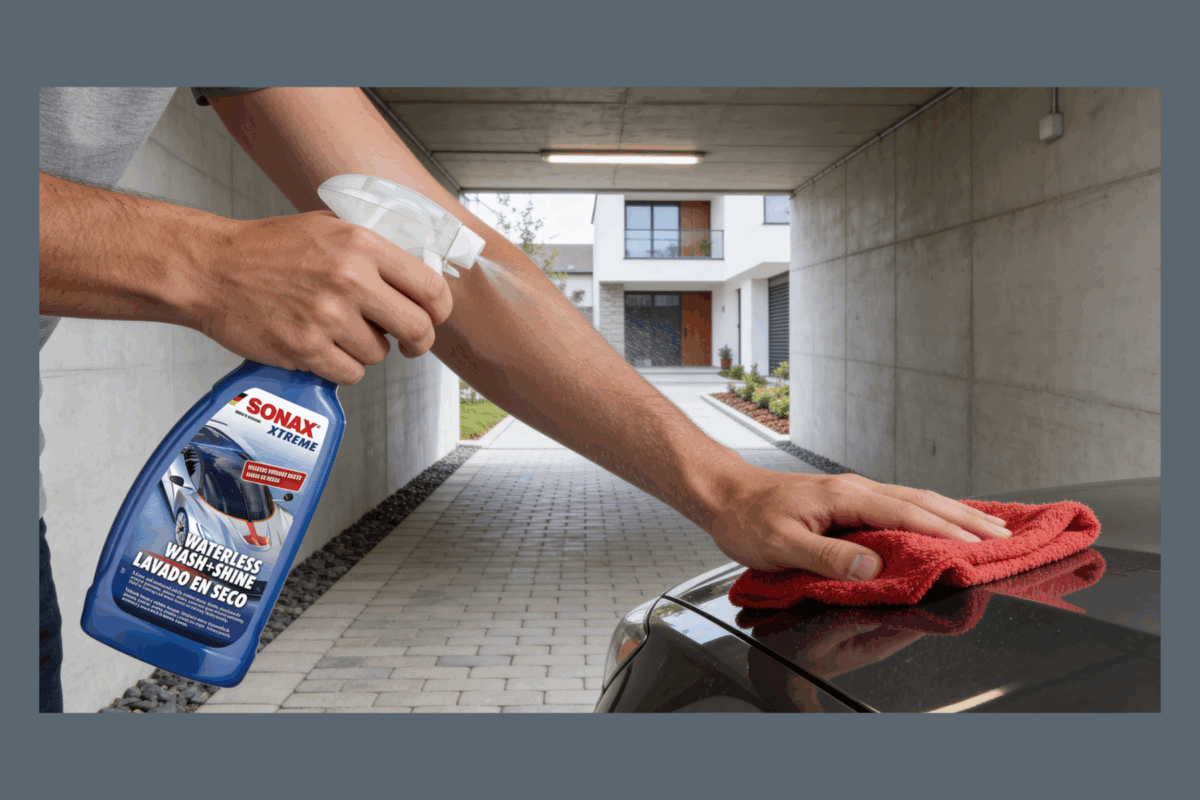
- Convenience: The cleaners used in the process are designed for an easy washing process. This means no more hassle in gathering tools like high-pressure washers or buckets of water. All you need is a waterless car wash and a microfibre cloth, and you’re ready to start cleaning your car.
- Versatility: Contrary to expectations, products used in waterless car washes can also be used for other surface cleaning ventures. Whether it is glass, plastics, or ceramics, they give excellent cleaning results, especially in automotive-grade materials.
- Protective Coatings: Most advanced waterless car wash don’t only clean surfaces; they are designed to leave behind a layer of coating that even enhances the vehicle’s shine. They give your vehicle long-lasting protection against contaminants and the UV rays from the UAE Sun.
- Eco-friendly: Waterless car wash solutions are made from biodegradable elements, which cause no harm to the environment. Also, using a hose to clean up your car is considered one of the most environmentally destructive traits. The water that was used to clean up your car carries harsh car washing detergents, gas, oil, and dirt from exhaust fumes. All this combined goes into storm drains and then into the lakes, rivers, and oceans.
Limitations
The drawbacks of a waterless car wash include:
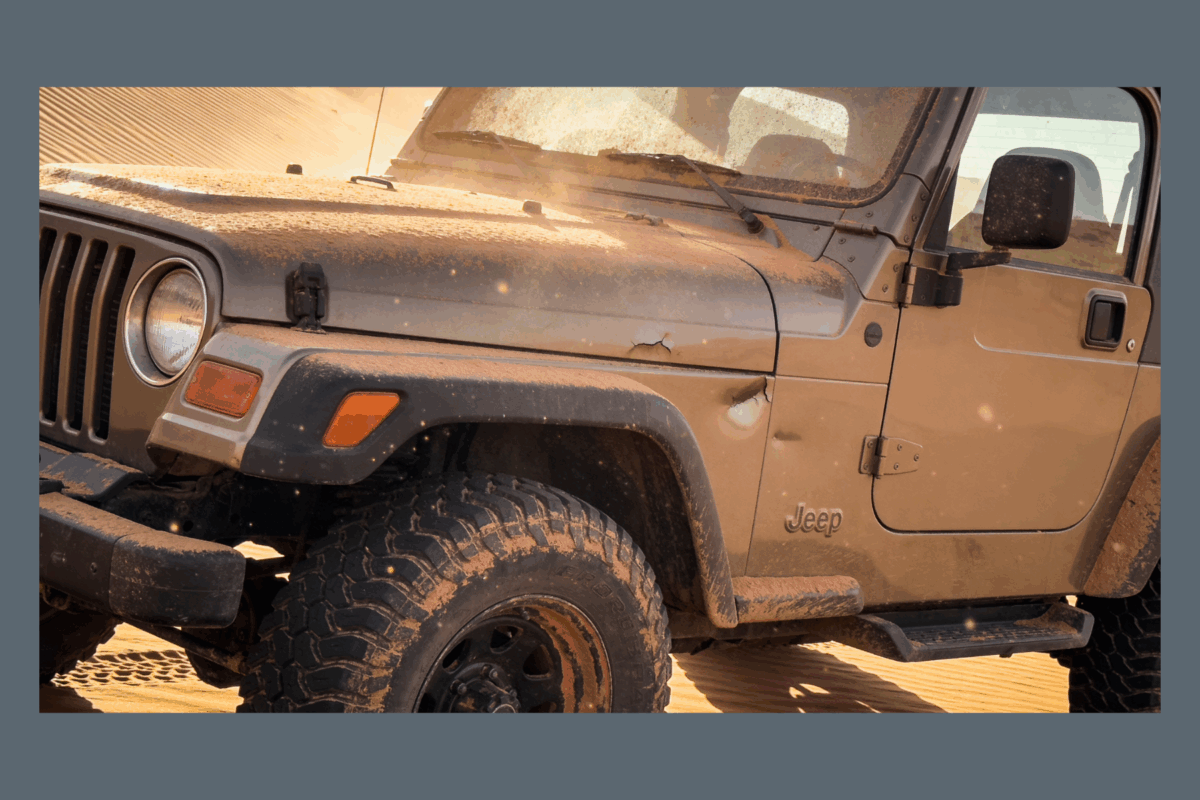
- Limited Cleaning Power: In some cases, the cleaners used during a waterless car wash process may struggle to break down heavy dirt, mud, or grime. This is the main reason why the technique is only suggested for light dirt accumulation rather than cleaning heavily soiled vehicles, such as off-roaders.
- Scratching Risks: Although this risk can be reduced through the use of an effective microfiber cloth, it can still occur when a detailer is not gentle during cleaning. It increases all the more if the vehicle is excessively dirty.
- Residue Buildup: Since you are applying chemical cleaners to your car, there is a risk of residue formation, which leads to streaks on its surface. If this happens often, it can severely affect the appearance of your car’s paint after some time.
How to Do It Properly
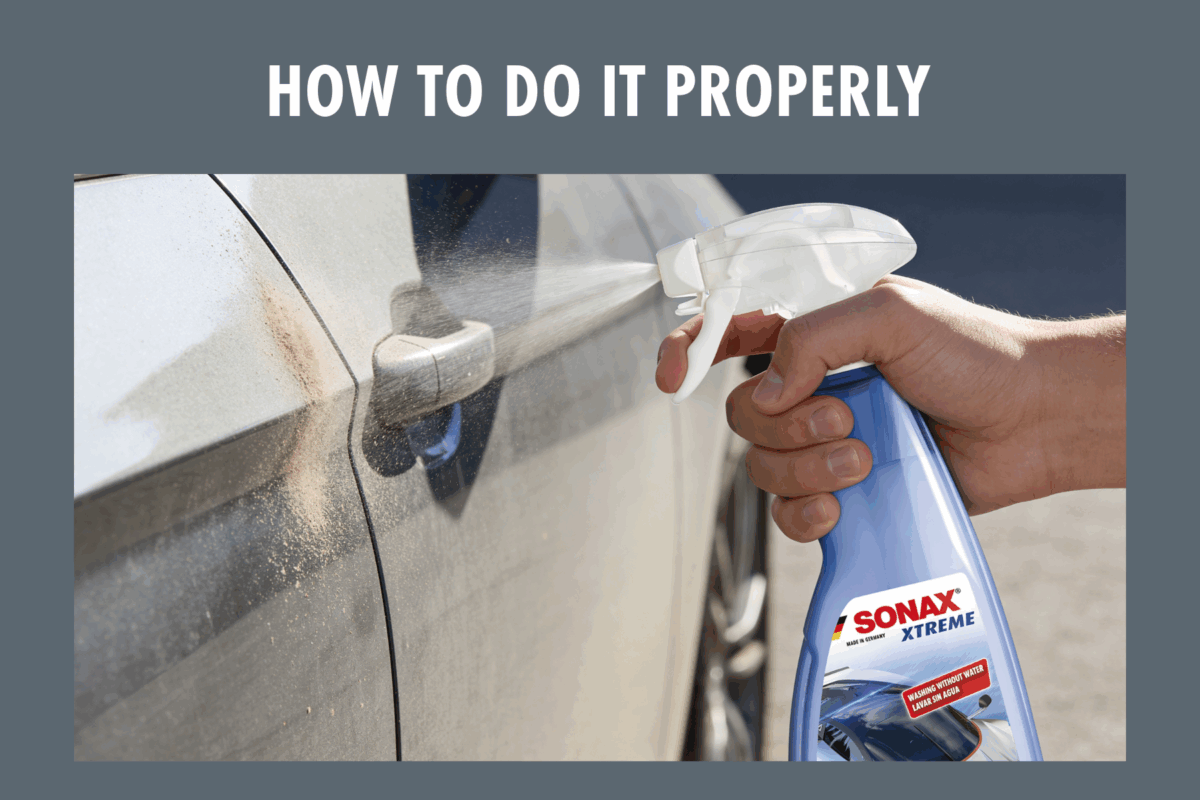
Follow these simple three steps when you want to wash your car waterless.
1. Choose the Right Formula
Selecting a waterless car wash spray specifically formulated for the UAE’s challenging conditions is the first crucial step. A top recommendation is the SONAX Xtreme Waterless Wash and Shine. Famous for its excellent UV protection and prevention of paint fading under the intense UAE sun, this product is a fine addition to any cleaning kit. The product provides 24-hour dust repellency, minimizing the need for frequent cleaning even after sand incursions.
2. Master the Wiping Technique
As we alluded earlier, if the wiping process in a waterless car wash is not done with care, it can lead to scratches. Some tips for achieving results in this process include:
- Wipe Downwards Always: This technique allows loose dirt and contaminants to fall off the surface of the car as you wipe.
- Use a Separate Microfibre Cloth: When cleaning the various compartments, whether it is the body panels, wheels, or glass surfaces, use a different cloth. When cleaning tires and wheels, it is always best to use an older microfibre cloth since it is tougher on stains.
- Clean in One Direction: When cleaning, you need to do so in one direction to avoid friction buildup. Also, ensure you clean in straight lines, and don’t use too much pressure.
3. Flip the Microfibre Cloth and Buff Off:
After cleaning a particular region on your car surface, you must flip the cloth and buff off the excess. When the cloth you’re using gets too dirty, switch to a new microfibre cloth and continue the process.
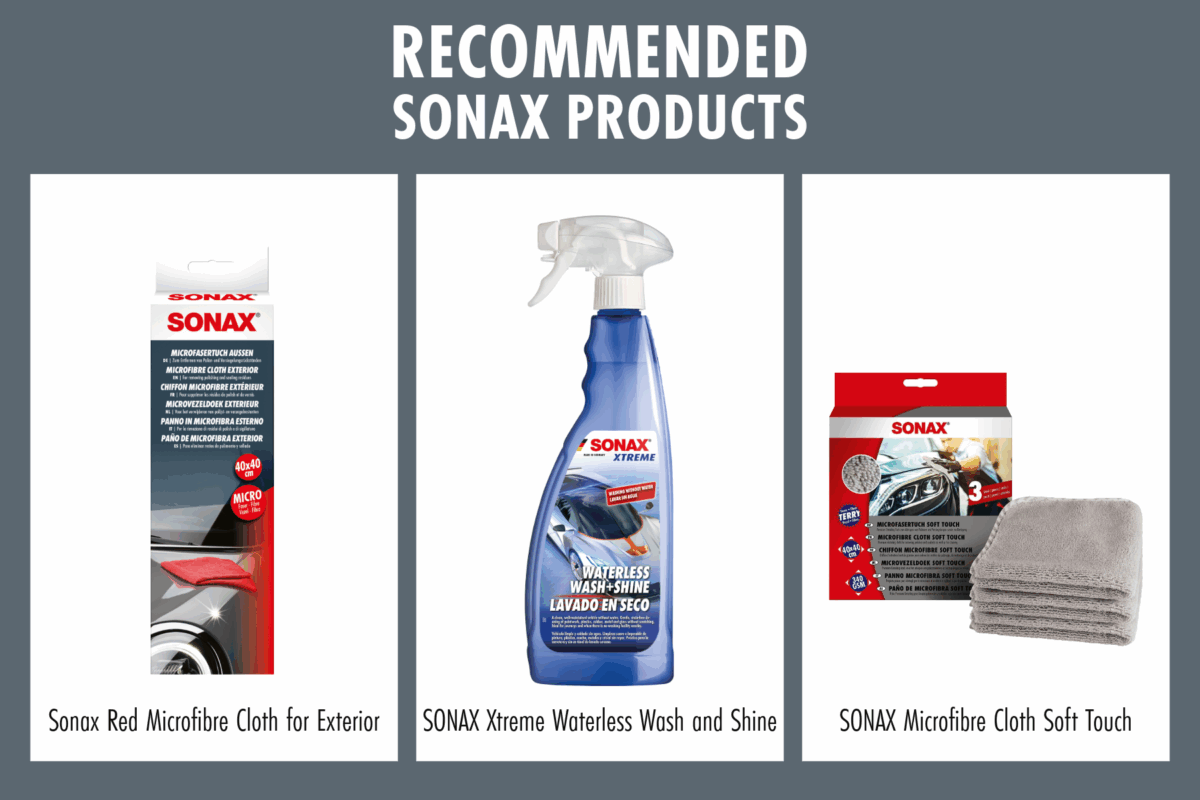
Recommended SONAX Products
Choosing the right product in your waterless car wash process is crucial if you want to maintain your car’s appearance. The table below has some of the recommended products from Sonax.
|
Product Type
|
Category
|
Product Examples
|
|---|---|---|
|
Waterless wash
|
Washing and Cleaning
|
|
|
Microfibre Cloth
|
Accessories
|
|
When to Use/ Avoid
Waterless washes are suitable for vehicles with light dirt accumulation. In optimum conditions, it works best as a quick maintenance, which means you may need to use the traditional car wash methods now and then. However, if you live in a high-rise or villa where washing with a hose in the driveway or public space is banned and is liable for fines, then using only a waterless car wash process may suffice.
Finally, in cases where your vehicle is used for off-road adventures and is heavily soiled, or when your ride was exposed to natural elements like sandstorms, then using traditional car washing methods is the best option. This is to prevent heavy grit and sand particles from scratching your paint.
Conclusion
Waterless car washes are growing in popularity, especially in Gulf countries like the UAE, due to water conservation needs. It has its advantages, such as convenience, being eco-friendly, and versatile application. In fact, if the waterless car wash process is done properly; following all the steps we’ve listed above, then it can protect your car paint while ensuring that your vehicle is free from contaminants.
Still, there are drawbacks and limitations every car owner in the UAE must consider. For instance, it cannot be used on heavily soiled cars due to its limited cleaning power and high risk of micro-scratches. In case you have further questions on waterless car washing techniques, you can reach us here at Sonax.
Discover SONAX’s Waterless Car Wash designed for UAE conditions.
FAQ
Yes, waterless car washes are safe for car paint if the process is executed with care. They are made with pH-neutral elements, which do not react with car paint. However, when washing it is crucial to do so in one direction and without too much pressure to avoid scratches on your car paint.
No, a waterless car wash is not ideal for heavily soiled cars. This is due to its limited cleaning power and high risk of scratches, which can occur when too much pressure is used during washing and cleaning.
No. A waterless car wash does not cause scratches when executed carefully with a soft microfibre cloth that encapsulates and picks up dirt rather than dragging it across the surface during washing.
We recommend that you use waterless cleaning at least once a week. This will prevent the accumulation of dirt and contaminants over time and ensure that your vehicle’s shine remains intact.
During a waterless car wash process, use a separate cloth for each component of your car. These towels must be finer than human hair so that they can be gentle on your car paint, while being lint-free and possessing superior absorbency.