SONAX

How to Check Car Fluids: The Complete UAE Guide to the Six Fluids That Matter

SONAX Sonax-Blog-Edits1-52
SONAX blog1-1

Car maintenance does not end with just exterior and interior care. It also involves checking the various fluids used throughout the various systems of a car and ensuring they are properly maintained. Each of these fluids (engine oil, coolant, brake, transmission, power steering, and  washer fluid) performs a specific role in your car. To check car fluids, park on level ground, switch off the engine and consult the owner’s manual for the correct inspection conditions. In the United Arab Emirates (UAE), high temperatures can place additional demands on these systems. 

Heat can accelerate fluid deterioration and increase the risk of overheating, making regular inspections very important. Drivers must keep fluid levels within the recommended range to maintain vehicle performance, prevent avoidable damage and extend the lifespan of essential components. The question now is when exactly should you check them, how do you measure their levels and quality, and what should be done when something is wrong?

How and When Do You Check Car Fluids in the UAE?

SONAX blog1-1

When it comes to how to check car fluids, timing is crucial. Some fluid needs the engine to be cool, others require specific operating temperature. Your owner’s manual however should be the final authority. Although most modern cars display warnings on their dashboard, do not wait for notifications to appear on your dashboard before each check. A monthly inspection should be done for drivers who frequently drive in heavy traffic and during UAE summer heat. Dubai’s Roads and Transport Authority (RTA) reinforced this advice in its June 2026 summer safety guidance. It is also important to check fluid levels before and after a long journey and after an unusual smell or leak.
How to Check Engine Oil

SONAX Sonax-Blog-Edits1-53-1024x683

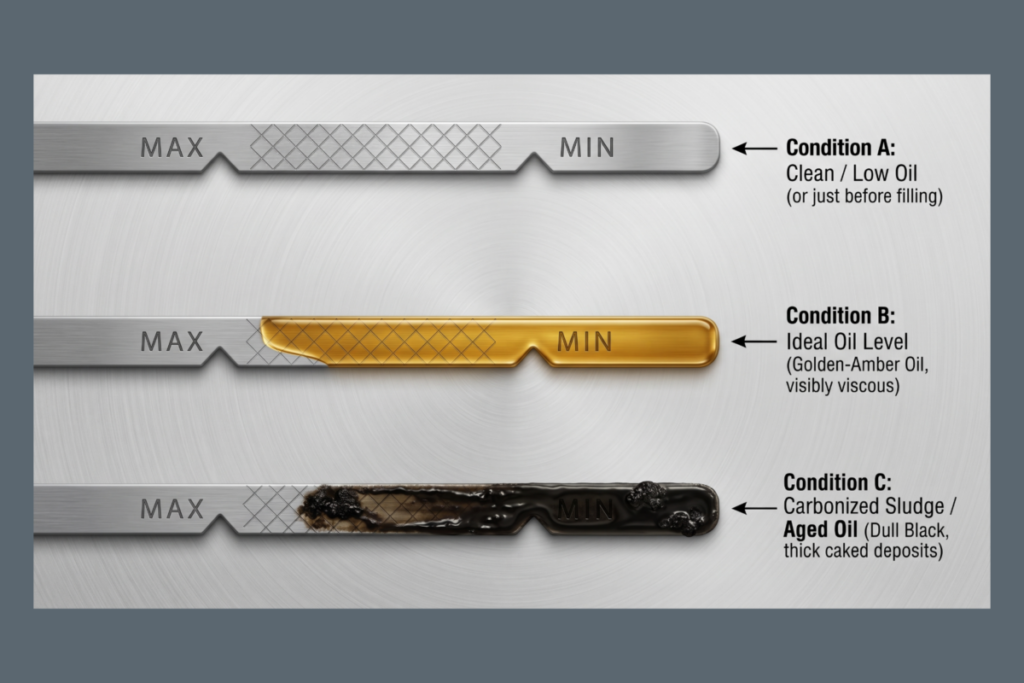
Knowing how to check engine oil properly helps maintain engine oil flow. Proper engine oil flow reduces friction, helps control heat and carry contaminants towards the oil filter. Low level reduces engine oil flow leading to excessive wear and mechanical damage. Although cars generally make use of dipsticks, some modern models use an electronic oil-level monitoring system found on the dashboard. Due to the UAE heat, engine oil may break down and lose its protective qualities much faster than it would in moderate weather. This prompts car owners and drivers to check their engine oil monthly.

The entire maintenance process is straightforward and does not require specialised tools or professional mechanical knowledge. However, checking the level is only one part of proper engine oil maintenance. For more detailed guidance, check out the article on how to check engine oil in your car. It includes when to change or top up the oil, how to identify low oil levels and what to do about leaks.

How to Check Coolant Level

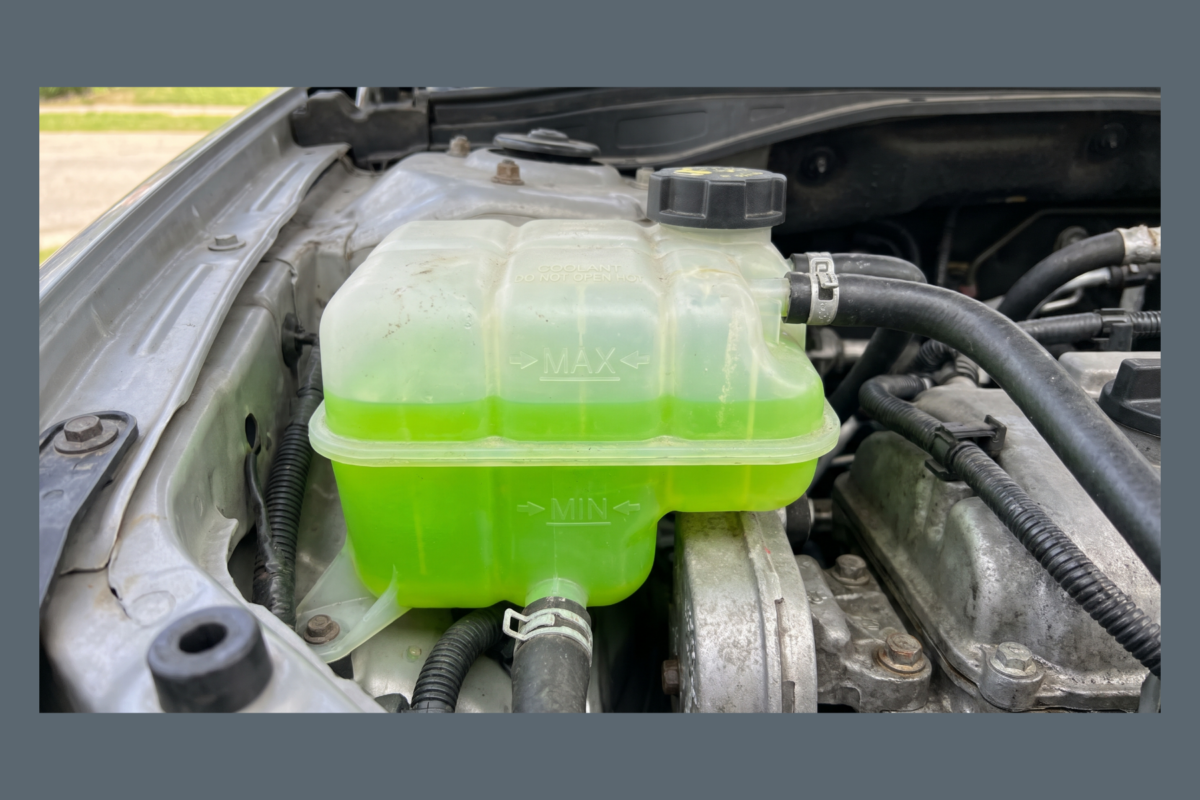
Coolant circulates through the engine and cooling system to regulate operating temperature. In hot climates, it plays a particularly important role because the cooling system must manage substantial heat while the vehicle is running. When checking, colour alone does not reliably identify chemical specifications, so do not mix different coolant types because they have similar colours.

SONAX Sonax-Blog-Edits1-54
SONAX blog1-1

To inspect the coolant level:

  • Park the car on level ground and switch off the engine.
  • Wait until the engine is completely cold.
  • Locate the coolant reservoir without removing its cap.
  • Look at the level through the side of the tank.
  • Check whether the coolant sits between the minimum and maximum marks, or at the specified cold-level marking.

Never open a radiator cap or coolant reservoir cap while the engine is hot. Opening it may release boiling coolant or steam and cause severe burns.
Signs Your Coolant Level May Be Low

Preventive car care is crucial considering the harsh climate in the UAE. Below are signs to watch out for which may indicate you need to confirm your coolant level:

  • When the warning light on the dashboard for coolant illuminates, it’s time to check your levels. 
  • Rising temperatures or visible steam from under the bonnet.
  • Puddles of brightly coloured fluid under your car.

Do I Need to Add Coolant?

Proper maintenance does not end with knowing how to check coolant level, knowing when to add is also important. 

  • Check the level against the “Min” and “Max” markers on the reservoir. Anything close to the “Min” level warrants a top-off.
  • When it looks cloudy, rusty, or oily, it indicates contamination. This means flushing and replacement are necessary.
  • When you experience a constant low level despite refilling, check under the car and around the radiator and hoses for leaks. Visit a repair shop for professional assistance and proper inspection.

How to Check Brake Fluid

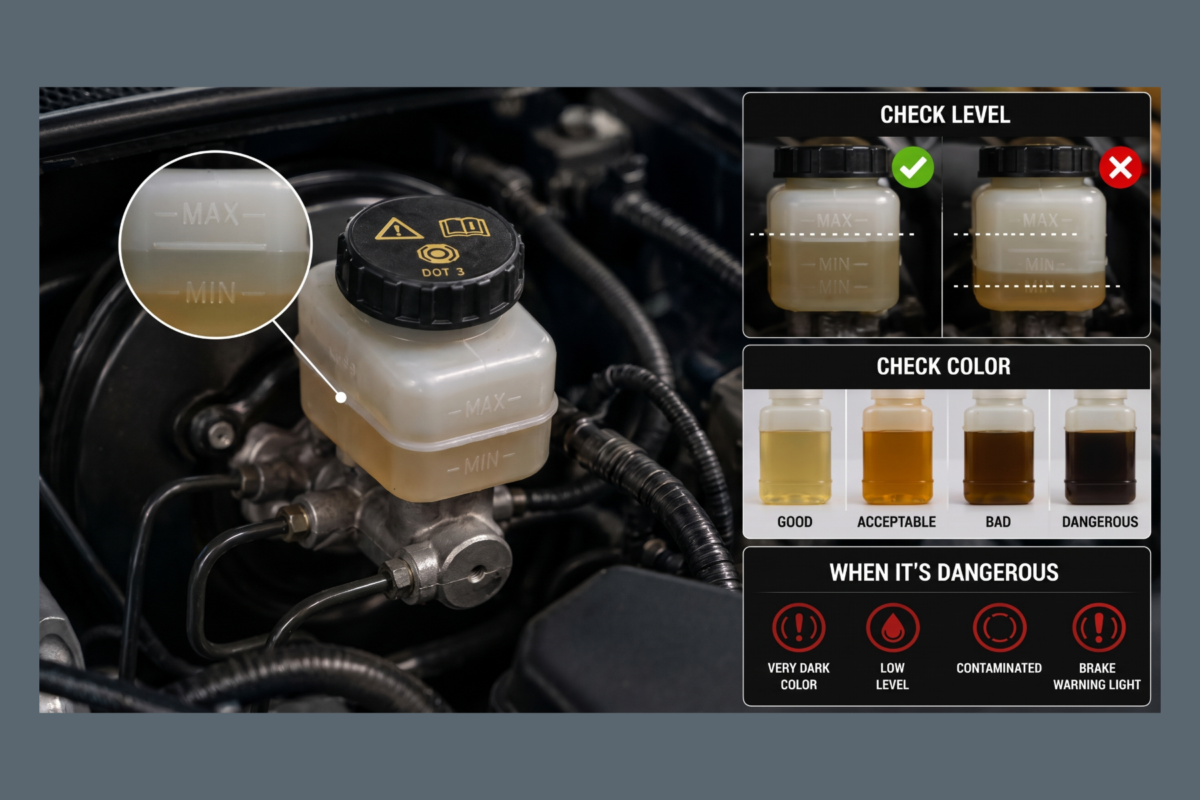
The brake fluid reservoir is usually located near the rear of the engine compartment, close to the brake master cylinder. It is usually in a small, semi-translucent container with MIN and MaC markings. Do not rely on the dashboard warning lights to tell you when your level is low. Warning signs usually show when it is dangerously low. Open when the level is below the MIN mark.

SONAX Sonax-Blog-Edits1-55
  • Park on level ground and switch off the engine.
  • Open the bonnet and identify the brake fluid reservoir using the owner’s manual.
  • Check the fluid level through the translucent sides of the container.
  • Confirm that it is between the MIN and MAX marks.
  • Look for visible leaks or signs of damage around the reservoir and nearby components.

A low brake fluid level can indicate a leak or cause the brake pads to wear out. When worn, brake callipers have further to move, which draws more brake fluid into the system. It may also appear alongside a soft or unusually low brake pedal, a longer stopping distance or a brake warning light. Adding fluid without identifying the exact cause may conceal a problem that affects braking safety. Have a qualified technician inspect the system before continuing to drive if the level is below the MIN mark or when the braking performance has changed.

How to Check Transmission Fluid

In automatic vehicles, transmission fluid helps transmit hydraulic pressure and supports gear changes. Low, contaminated or incorrect fluid can contribute to slipping, delayed engagement, rough shifts and overheating. Unlike engine oil, transmission fluid does not have one universal checking procedure.

SONAX Sonax-Blog-Edits1-56-1024x683

If your vehicle has a transmission dipstick, the check may require: 

  • Parking on level ground.
  • Running your engine for 5-10 minutes and allowing it to idle
  • Keeping the engine running or switching it off, as instructed.
  • Moving the gear selector through the required positions.
  • Setting the selector to the specified position, often Park or Neutral.
  • Removing, wiping and reinserting the dipstick.
  • Read the dipstick afterwards.

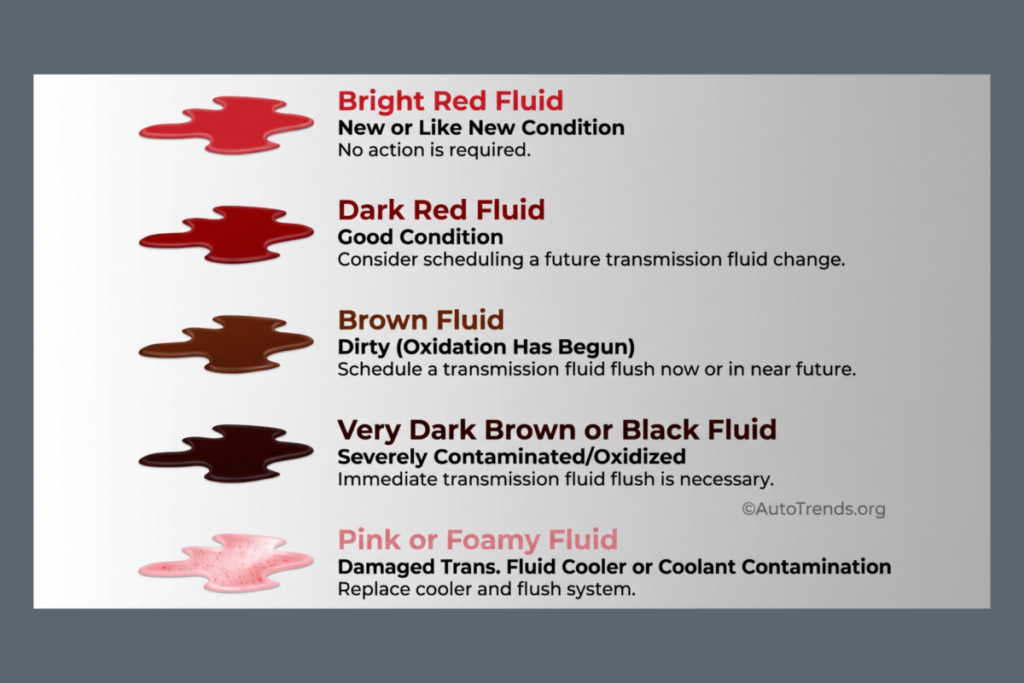
If it appears unusually dark, cloudy or burnt-smelling, arrange a transmission inspection. Fluid appearance varies by specification, so colour alone should not determine whether it needs replacing.

What If Your Car Has a Sealed Transmission?

The proper way on how to check transmission fluid for modern automatic transmission cars without dipstick include: 

  • Park on level ground and jack the car up using a hydraulic jack.
  • Start the engine and let it run for a few minutes.
  • Remove the side check plug on the transmission pan.
  • Evaluate the fluid flow: thin, slow trickle means correct level, no fluid flow means low, while gushing rapidly means overflow. 
  • Reinstall and tighten the plug afterwards.

This process requires specialised tools and professional knowledge, as improper opening of the check plug may cause burns to the driver. It is best to seek a professional technician for this.

How to Check Power Steering Fluid

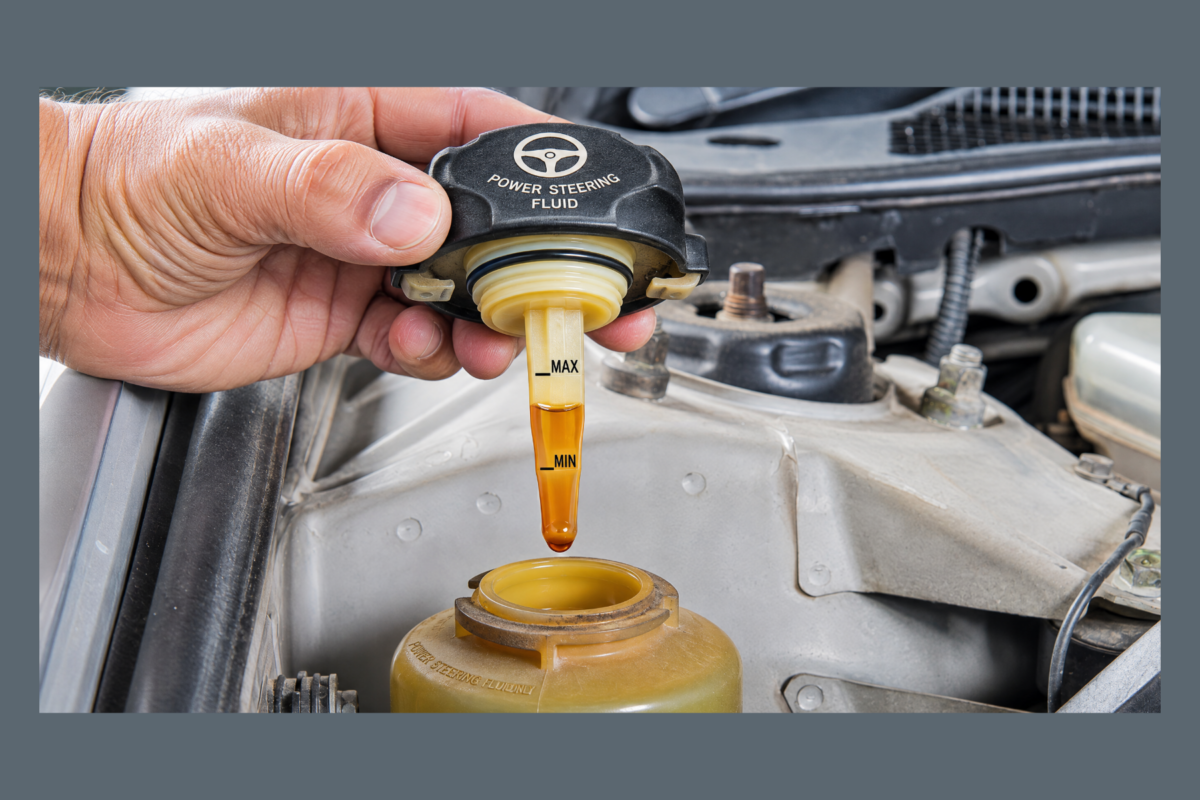
Power steering fluid is used in vehicles with hydraulic power steering. However, many modern vehicles use electric power steering (EPS). These systems use an electric motor rather than hydraulic fluid, so they do not have a power steering fluid reservoir to check. For vehicles with electric power steering, you can check the power steering fluid by following the steps below:

SONAX Sonax-Blog-Edits1-57
  • Park on level ground and switch off the engine.
  • Locate the power steering reservoir using the owner’s manual.
  • Check the level against the MIN and MAX marks.
  • If the cap contains a dipstick, remove it and wipe it clean.
  • Reinsert it fully, remove it again and read the level.
  • Use the correct HOT or COLD markings if the reservoir has both.

Signs of a Power Steering Problem

The power steering may have issues when you notice a whining noise when turning the steering wheel, unusually heavy steering or a fluid level that repeatedly drops. Topping up the fluid or changing it may not solve the issue entirely; check for visible leaks around the reservoir, hoses, and various connections. If it is a car with electric power steering, a steering warning should be addressed by a professional diagnosis. Do not add or search for power steering fluid in a system that does not use it; always consult your owner’s manual.

How to Check Windscreen Washer Fluid

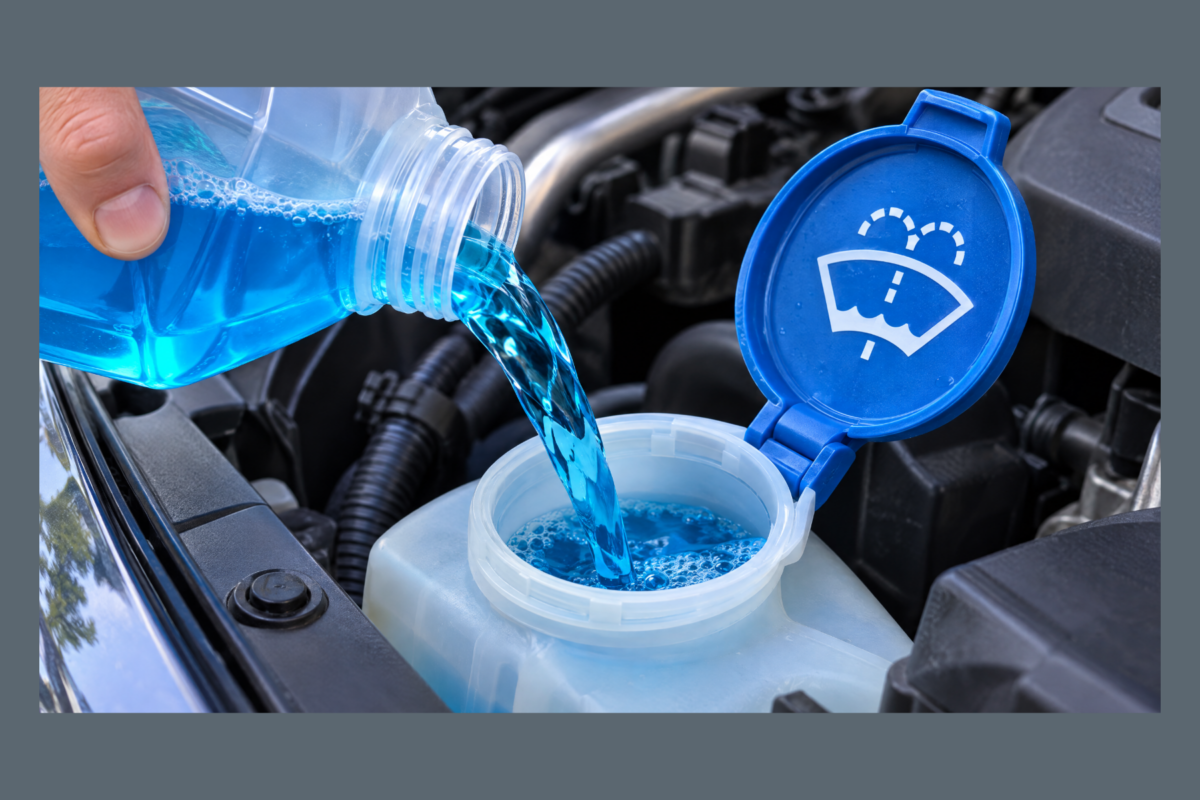
Windscreen washer fluid helps remove dust, dirt, insects and road residue in front of the glass. It is especially useful in the UAE, where airborne dust and sand particles can quickly reduce visibility. The washer reservoir is usually a translucent plastic container with a cap marked with a windscreen and water spray symbol. To refill or inspect the washer fluid:

SONAX Sonax-Blog-Edits1-58
  • Switch off the engine and open the bonnet.
  • Find the washer reservoir using the owner’s manual.
  • Check the level through the container if it is translucent.
  • Open the washer-fluid cap.
  • Add a suitable screen-wash product according to its label and the vehicle manufacturer’s instructions.
  • Close the cap securely.

After refilling, operate the washers briefly to confirm that the spray reaches the windscreen. If the reservoir is full but the spray is weak or absent, the problem may involve blocked nozzles, a damaged hose, a faulty pump or frozen fluid in colder conditions. For UAE drivers, a suitable screen-wash product is a practical part of routine visibility maintenance.

Master Checklist: Six Car Fluids at a Glance

Use this table as a quick reference when carrying out your monthly inspection. The correct checking conditions can vary by model, so confirm them in your owner’s manual.

Fluid How to check Warning signs
Engine oil
Dipstick or dashboard sensor; level between marks
Low level, milky appearance, gritty texture or burnt smell
Coolant
Reservoir’s MIN/MAX or cold-level marks
Falling level, overheating, sweet smell or visible leaks
Brake fluid
Reservoir level against its MIN/MAX markings, visible from outside
Low level, soft brake pedal or brake warning light
Transmission fluid
Dipstick if fitted; otherwise request a workshop check
Dark or burnt-smelling fluid, slipping gears or delayed shifting
Power steering fluid
Reservoir markings or dipstick on hydraulic systems only
Whining noise, heavy steering or repeated fluid loss
Windscreen washer fluid
Reservoir cap and level
Empty reservoir, weak spray or streaking glass

Check out our UAE summer checklists for more routine practices.

How to Make Fluid Checks Part of Your UAE Car Care Routine

A fluid inspection is most useful when it becomes a consistent habit rather than something you do only after a dashboard warning appears. The various fluids should be checked monthly, with proper inspection done before and after a long-distance journey. When proper fluid maintenance is combined with proper interior and exterior maintenance following proper engine bay care instructions, it increases the lifespan and boosts the performance capability of your car greatly. 

This keeps the engine bay clean and makes it easy to identify new leaks, stains or damaged hoses. Avoid direct high-pressure water when cleaning the engine bay, as it may damage electrical connections, sensors, the alternator or other sensitive components. Make fluid checks part of your summer routine → SONAX Technical Car Care range, including screen wash.

Frequently Asked Questions

How often should I check the fluids in my car?

Inspection should be done at least monthly; a quick check should also be done before and after long journeys. Also, check your owner’s manual for specific guidelines for your car.

Can I check car fluids when the engine is hot?

Engine oil and transmission fluid may require model-specific temperatures. However, never open a radiator or coolant reservoir cap on a hot engine.

What happens if my car has low coolant?

Low coolant can reduce the cooling system’s ability to regulate engine temperature, leading to overheating. It can also be an indication of leaks or other mechanical faults.

Can I use water instead of windscreen washer fluid?

Just water may provide a temporary solution in some circumstances. For tough road film, dust and insect droppings, an automatic screen-wash product is better.

Do all cars have power steering fluid?

No, some modern cars make use of electric power steering. Before refilling a reservoir or attempting to add steering fluid, check the owner’s manual to identify your car’s system.

Why is my brake fluid level low?

A low brake fluid level may indicate worn components or a leak in the braking system. Proper inspection should be done by a professional technician.